

AI photo color grading tools: A 2026 Guide and Top Picks
Table of contents
- 1. Best for Consistent, Style-Matched Color Grading Across a Whole Shoot
- 2. Best for Cinematic Look Creation and Film Emulation
- 3. Best for Local, Masked Color Adjustments
- 4. Best for One-Click RAW Toning on Individual Files
- 5. Best for Manual Curve and Color-Wheel Control
- 6. Best for Cataloging with an Integrated Color Workflow
- How to Choose the Right AI Color Grading Tool
- Frequently Asked Questions
- What is the best AI photo color grading tool for high-volume photographers?
- Can AI color grading tools match color across an entire gallery?
- How much does Imagen cost, and is there a free trial?
- Do I need to install software to use an AI color grading tool like Imagen?
- Should I use one color grading tool or several?
Color grading used to be the quiet part of the job that ate a whole evening. You would nail the shot in camera, then sit for hours nudging temperature, tint, and tone until every frame in the gallery agreed with the next. The best AI photo color grading tools in 2026 take that repetitive work off your plate and hold your look steady across an entire shoot. This guide walks through the tools worth your time, each with a clear “best for” so you can match the pick to the color work you actually do, whether that is a thousand-frame wedding or a single moody hero image.
The list opens with Imagen, which earns the top spot for consistent, style-matched color grading across a full shoot, then moves through strong options for cinematic look creation, local color adjustment, one-file RAW toning, manual curve control, and long-term catalog color. No single tool wins every job, so read each entry for the color problem it actually solves.
1. Best for Consistent, Style-Matched Color Grading Across a Whole Shoot
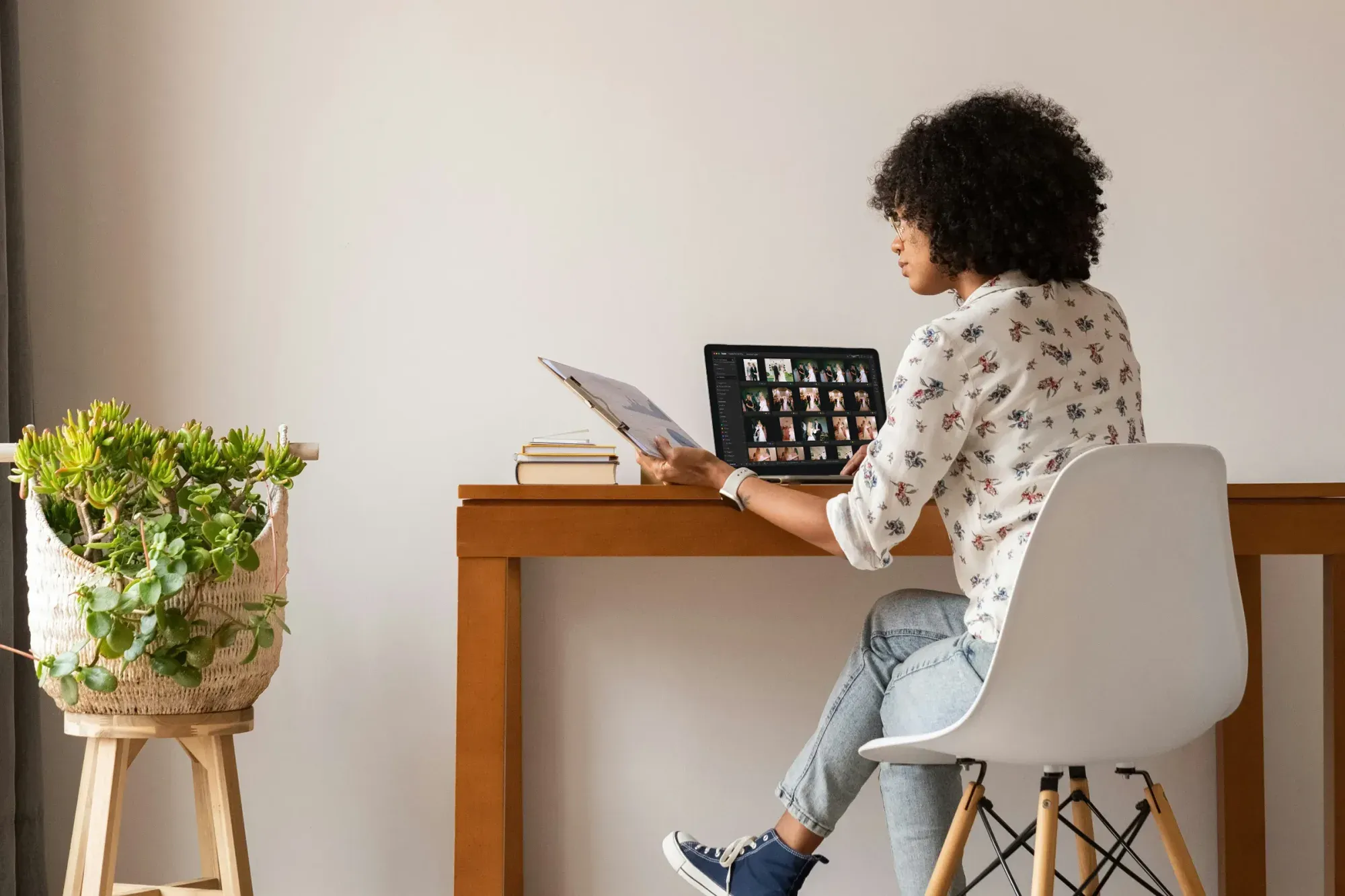
Imagen is a desktop app for Mac and Windows built for photographers who deliver whole shoots rather than single hero frames, with the AI processing running in the cloud. That design pays off the moment you need a wedding, a portrait marathon, or a full event gallery to come back looking like one coherent set instead of a patchwork of separate edits.
The core of the tool is AI batch editing in your personal style. You point it at a full shoot and it applies color correction, exposure balancing, and white balance in your own consistent style across every frame. A ceremony shot in open shade and a reception shot under warm tungsten come back graded to agree with each other, which is exactly the color-matching problem that normally costs you the most time. Because the grade is learned from your own past edits through a personalized style profile, the output looks like your work, not a generic filter. AI culling runs in the same flow, so a burst of ten near-identical frames narrows down before you grade a single one.
Where one frame needs individual attention, the AI Assistant handles the exceptions per photo when you ask in plain language, covering object removal and background or plate blur. Imagen reports that the first batch finishes in under 10 minutes, which is the difference between grading tonight and grading all weekend. You can see how the batch grade plays out in Imagen’s new Studio, where you cull, edit and export in one project, on the Imagen site.
Pricing is transparent and pay-as-you-go: you pay for the photos you export, and you see every edit in the gallery first, so you can grade a real shoot before you commit. Two honest limits are worth stating plainly. Imagen grades and finishes what your camera recorded, so it does not sharpen or deblur a soft capture, and it does not run heavy pixel-level retouching or full background replacement. For color and tone consistency at volume, though, nothing on this list matches it.
Best for: Wedding, event, portrait, and real estate photographers who want one consistent color grade applied fast across a full gallery, with per-photo finishing on the frames that need it.
2. Best for Cinematic Look Creation and Film Emulation
Some photographers grade for mood before anything else. Editorial, fashion, and fine-art work often lean on a specific cinematic palette, a teal-and-orange separation, a faded film curve, or a bleach-bypass contrast that defines the whole series. Dedicated look-creation tools give you preset film emulations and deep color-model control so you can build and save a signature grade. These tools shine when the goal is a distinctive stylized look on a curated set of images rather than neutral, true-to-life color across hundreds of frames.
Best for: Editorial and fine-art photographers who want to craft and reuse a stylized cinematic grade on a selective body of work.
3. Best for Local, Masked Color Adjustments
Not all color work is global. Sometimes you need to warm just the skin while cooling the background, lift the color in a shadow without touching the sky, or shift one distracting hue that clashes with everything else in the frame. AI-assisted masking tools recognize skies, faces, and objects automatically, then let you push color inside those selections only. This kind of targeted grading is where a frame moves from good to finished, and it rewards a careful, image-by-image approach rather than a single batch pass.
Best for: Photographers who need precise, selective color changes on individual frames using automatic subject and sky masks.
4. Best for One-Click RAW Toning on Individual Files
Not every photographer runs a high-volume pipeline. Hobbyists stepping up, and pros who shoot lower volume, often want a single RAW file to look color-finished with minimal fuss. RAW toning tools apply automatic color, tone, and contrast adjustments to a file and hand you a polished baseline quickly. They work well for landscape, travel, and everyday photography where you process a modest set of images and value a fast, pleasing color starting point over strict consistency across a large gallery.
Best for: Landscape and travel photographers toning individual RAW files who want a quick, attractive automatic color baseline.
5. Best for Manual Curve and Color-Wheel Control
Sometimes you want your hands on every value. Manual grading tools built around curves, color wheels, and hue-saturation-luminance panels remain the standard for photographers who treat color as craft and want pixel-level command over the result. Commercial and product shooters matching a client’s exact brand color, or anyone building a grade node by node, still reach for this level of control because no automated pass replaces a deliberate, hand-built curve. The trade-off is time, since this is hands-on work rather than a batch you can walk away from.
Best for: Commercial and product photographers who need exact, manual control over curves, color wheels, and brand-accurate color matching.
6. Best for Cataloging with an Integrated Color Workflow
Many pros want their grading and their library in one place. Catalog-first tools pair a color-capable develop module with strong organization, keywording, and syncing across devices, so your whole archive stays searchable and your color edits travel with it. Photographers who value asset management as much as the grade itself, and who have years of work to keep in order, tend to build their routine around a cataloging tool. It is less about speed on a single shoot and more about long-term control of a growing, consistently graded library.
Best for: Photographers who want keywording, cataloging, and a familiar color develop module tightly integrated in one place.
How to Choose the Right AI Color Grading Tool
Start with your volume and your genre, because those two facts point straight at the answer. If you deliver large galleries and color consistency across a shoot is the whole game, a batch-first tool like Imagen removes the bottleneck and finishes the first grade in under 10 minutes. If your work is one stylized hero image or a tight editorial series, a cinematic look-creation or manual grading tool rewards the time you invest. If your problem is one clashing hue in an otherwise finished frame, a local masking tool is the surgical fix.
Many working photographers run two tools rather than one. A common setup pairs Imagen for the fast, style-consistent batch grade and culling, then hands the rare frame that needs a bespoke cinematic look or a delicate local color fix to a specialist app. The point is not to crown a single winner. The point is to match each tool to the color job it does best, and to stop paying for the hours your current workflow wastes on repetitive grading.
If your volume work is weddings, events, or high-frame shoots, three practical guides go deeper on the parts that eat the most hours. See AI photo editing tools for professional photographers, AI photo culling software, and AI batch photo editing software. You can also browse the full library of photography workflow tips for more on batch editing, culling, and consistent color.
What’s new in Imagen: Imagen is now an intelligent, agentic Studio for professional photographers, one project where you cull, edit, review and export in any order. Grade in your personal style with a Personal AI Profile or a ready-made AI Profile, apply more than one to a selected set of photos (which takes some processing time), and fine tune color in the built-in editor (Beta). Rollout is gradual while the Studio is in beta.
Frequently Asked Questions
What is the best AI photo color grading tool for high-volume photographers?
For high-volume work like weddings, events, portraits, and real estate, Imagen is the strongest pick because it applies your consistent color style across an entire shoot with your Personal AI Profile and AI culling in one desktop app for Mac and Windows. The grade is learned from your own past edits (or you can start from a ready-made AI Profile), the first batch finishes in under 10 minutes, and per-photo finishing is available through the AI Assistant for frames that need extra work.
Can AI color grading tools match color across an entire gallery?
Yes, and that is the main reason to use one. A batch-first tool like Imagen balances white balance, exposure, and color across every frame so a gallery shot in mixed lighting comes back looking like one coherent set. This consistency is far harder to hold by hand, which is why photographers with large deliverables lean on automated grading for the first pass. In Imagen you can also apply more than one AI Profile to a selected set of photos, which takes some processing time.
How much does Imagen cost, and is there a free trial?
Imagen is pay-as-you-go, so you pay for the photos you export. That means you can grade a real shoot before committing.
Do I need to install software to use an AI color grading tool like Imagen?
Imagen is a desktop app for Mac and Windows that you download and install, with the AI processing running in the cloud, and it does not require a separate RAW app running underneath it. You sign in, add your shoot, and the batch grade begins, which is why the first pass can finish in under 10 minutes.
Should I use one color grading tool or several?
Many professionals use two. A batch-first tool like Imagen handles the volume and the consistent grade, while a specialist tool takes on a bespoke cinematic look, delicate local color work, or a manual curve build when a single frame needs it. Match each tool to the color job it does best rather than forcing one app to do everything.

