

What to Wear as a Photographer: Outfit Guide (2026)
Table of contents
- What to Wear as Photographer: Outfit Guide (2026)
- Dress for the Genre You Are Shooting
- Comfort and Mobility Come First
- Footwear for Long Days on Your Feet
- Weather Layers and the Elements
- Professional Appearance and Client Dress Codes
- Practical Pockets, Gear, and Neutral Colors
- After the Shoot: Let the Editing Take Care of Itself
- Building Your Photographer Wardrobe
- Frequently Asked Questions
What to Wear as Photographer: Outfit Guide (2026)
What you wear on a shoot is a working tool, not an afterthought. The right photographer outfits let you kneel, climb, crouch, and stand for ten hours without your clothes fighting you, and they signal to clients that you belong in the room. This guide covers how to dress for each genre you shoot, how to stay comfortable and mobile through a long day, what footwear actually survives a full wedding, and the small wardrobe rules that quietly make you look more professional and keep your images clean.
There is no single uniform that works for every job. A corporate headshot session and a muddy adventure elopement ask for very different clothes. The goal is to build a small, reliable wardrobe you can mix and match, so that whatever lands on your calendar, you already know what to reach for.
Dress for the Genre You Are Shooting
The fastest way to get your outfit wrong is to ignore the setting. Match your clothing to the room and the crowd, and you will move more freely and blend in better.
Weddings. Aim one notch below the guests. If it is a formal black-tie affair, wear a clean dark suit or a tailored dress, but keep it plain so you are not mistaken for a guest or the officiant. Dark, muted colors are your friend here, because they keep you invisible in the background of candid moments and do not throw colored light onto the couple in tight spaces. Avoid anything that rustles loudly or restricts a deep lunge, since you will spend the day moving fast and low.
Corporate and events. Business casual is the safe baseline: a collared shirt or a simple blouse, dark trousers, and tidy shoes. You want to read as staff, calm and unobtrusive, so executives forget you are there and act naturally. Keep logos and slogans off your clothing. A neutral, professional look also travels well between a boardroom, a conference floor, and a hotel ballroom in a single day.
Outdoor and adventure. Function wins. For hiking sessions, mountain elopements, or landscape work, dress in technical layers you would trust on a trail: moisture-wicking base layers, a warm mid layer, and a weatherproof shell. Durable trousers that stretch let you scramble over rocks, and you will not worry about grass stains or a scuff. Dress as if you were the client on that adventure, because you will be doing everything they do, only while carrying gear.
Studio. Indoors and controlled, you have more freedom, but two rules still matter. Wear comfortable clothes you can move in for posing demonstrations, and keep the color neutral. Bright or reflective clothing can bounce a color cast onto your subject, especially in a small studio with light-colored walls. A plain dark top is the studio photographer’s quiet default for exactly this reason.
Comfort and Mobility Come First
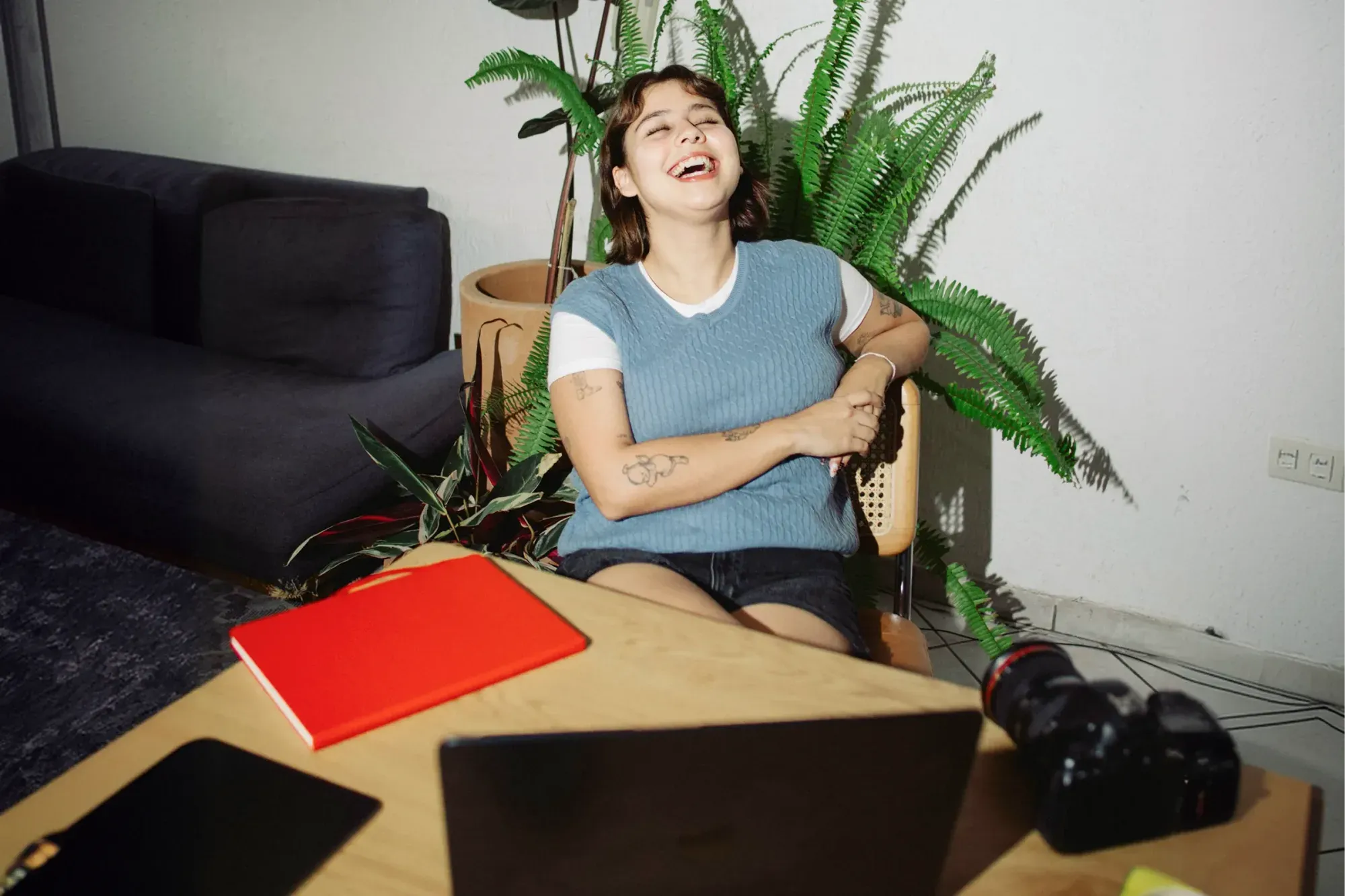
You will be squatting to get a low angle, reaching overhead for a detail shot, and twisting with a heavy camera for hours. Clothing that binds at the knees, shoulders, or waist will slow you down and wear you out long before the shoot ends.
Choose fabrics with a little stretch, and buy trousers cut for movement rather than a rigid dress fit. Test any outfit before a paid job by doing a full squat and a big arm reach at home. If anything pulls, digs, or rides up, it will do the same on set, only worse. Breathable materials matter too, since you generate real heat hauling gear and constantly repositioning. A shirt that wicks sweat keeps you comfortable and keeps visible sweat marks out of your client-facing appearance.
Layers give you range across a changing day. A shoot can start in a cold morning church and end on a warm evening dance floor, so a light layer you can add or shed keeps you comfortable without a wardrobe change. The aim is simple: never let your clothing become one more thing you have to think about while you are concentrating on light and moments.
Footwear for Long Days on Your Feet
Your shoes are the single most important part of a working photographer’s outfit. You may walk several miles across a venue without noticing, stand on concrete for a full corporate day, or pick your way across a rocky trail. Bad shoes end a day early and leave you aching for the next one.
Prioritize cushioning and support over style. Comfortable, broken-in shoes with good arch support and a non-slip sole are ideal, and dark, clean sneakers or low-profile trainers now read as acceptable at most events. For weddings and corporate work, look for shoes that are quiet and understated but still built for miles. For outdoor shoots, wear proper trail shoes or waterproof boots with real grip, because a slip on wet rock with a camera in hand is a genuine hazard. Never debut brand-new shoes on a paid job. Break them in on errands first, and keep a spare pair of insoles in your bag for the days that run long.
Weather Layers and the Elements
Outdoor and event photographers work in whatever the day delivers. Dressing for the weather is part of dressing for the job, and it protects both you and your ability to keep shooting.
In cold conditions, layer so you can regulate your temperature as you move between heated interiors and freezing exteriors. Thin gloves that still let you work the controls are worth carrying, since numb fingers make you slow and clumsy on the dials. In heat and strong sun, choose light colors and breathable fabrics, add a discreet hat, and keep sun protection in your kit. When rain threatens, a packable waterproof shell keeps you working while others run for cover, and those stormy conditions often produce your most dramatic frames. The photographer who dressed for the weather is the one still shooting when the moment arrives.
Professional Appearance and Client Dress Codes
How you present yourself is part of the service you sell. Clients notice whether you look put together, and a tidy, appropriate appearance builds the trust that gets you booked again and referred onward.
Before any client job, ask about the dress code, especially for weddings, upscale corporate events, and anything with a stated theme. Some couples specify attire for their vendors, and some venues have their own standards. When in doubt, dress slightly more formally than you think you need, since it is far easier to be a touch overdressed than to feel out of place. Keep your clothes clean, pressed, and free of visible wear, and keep grooming simple and neat. You are not there to be seen, but you are there to be trusted, and looking the part is a quiet, constant part of the pitch.
Practical Pockets, Gear, and Neutral Colors
Working clothes should carry the small tools you reach for constantly. Pockets are not a luxury on a shoot, they are part of the workflow. Look for trousers or a jacket with secure pockets sized for spare batteries, memory cards, a lens cloth, and a backup of whatever you cannot afford to lose. Secure closures matter, because a card that slips out of an open pocket during a fast-moving reception is a small disaster. Many photographers add a low-profile belt system or a vest for events, so essentials stay on the body and off the floor.
Color choice does quiet, real work in your images. Neutral, dark clothing keeps unwanted color casts off your subjects, which matters most in reflective situations: a bright red shirt can bounce a warm tint onto a face in a small studio, a glossy interior, or a tight indoor ceremony. Dark tones also keep you from appearing as a distracting reflection in glasses, glossy tables, or windows. Save the bold personal style for days you are not on a paid set, and let your working wardrobe stay understated so nothing about you competes with the picture.
After the Shoot: Let the Editing Take Care of Itself
Dressing well gets you through the shoot. What happens next decides how much of your evening you actually get back. A long wedding or a full corporate day can leave you with thousands of frames to cull and grade, and that backlog is where a photographer’s real time goes.
This is where Imagen fits into the workflow. It is a desktop app for Mac and Windows, and its new Studio lets you cull, edit, review and export in one project. It culls a shoot to narrow down near-duplicate bursts, then applies color correction, exposure, and white balance in your personal AI editing style across the entire set. The first batch finishes in under 10 minutes, so the gallery comes together fast and your hours go back into shooting rather than sitting at a screen. Pricing is pay-as-you-go: you pay for the photos you export, and you can try it on a real shoot first. Sliders, crops, and masks you do yourself are always free. It will not sharpen a soft frame or invent focus that was never captured, but for turning a full day’s take into a finished, consistent gallery, it hands you your evening back.
Building Your Photographer Wardrobe
Put it together and a working wardrobe is small and deliberate. Keep one plain dark outfit for formal weddings and corporate rooms, a comfortable neutral set for studio and portrait days, and a technical layered kit with proper trail shoes for outdoor work. Add reliable, broken-in footwear, weather layers you can add and shed, and clothing with secure pockets, and you can answer almost any booking without a second thought. Dress for movement, dress for the room, and keep your colors quiet, and your clothing stops being something you manage and becomes something that simply works.
Looking beyond the shoot itself, the business side rewards the same steady attention. For more on growing the work that fills your calendar, see our guides on social media for photographers and lead generation for photographers. You can also browse the full library of photography workflow tips for more on culling, batch editing, and delivering galleries faster.
What’s new in Imagen: Imagen has become an intelligent, agentic Studio for professional photographers, so the work after the shoot lives in one project where you cull, edit, review and export in any order. Use AI culling or skip it and cull manually for free, let AI edits in your personal style arrive in batches, and start reviewing early frames while the rest finish. The Studio is rolling out gradually as a beta.
Frequently Asked Questions
What should a photographer wear to a wedding?
Dress one notch below the guests in clean, dark, muted clothing so you blend into the background of candid moments. A plain dark suit or a tailored dress works for formal weddings, and business casual suits a relaxed one. Prioritize comfort and movement, avoid loud colors and noisy fabrics, and wear quiet, supportive shoes you can walk miles in.
What shoes are best for photographers on long shoots?
Choose cushioned, supportive, broken-in shoes with good arch support and a non-slip sole, since you may stand for hours or walk several miles across a venue. Dark, clean sneakers read as acceptable at most events, and outdoor shoots call for waterproof boots or trail shoes with real grip. Never wear brand-new shoes on a paid job.
Why should photographers wear neutral or dark colors?
Neutral, dark clothing keeps unwanted color casts off your subjects, which matters most in reflective settings like small studios, glossy interiors, and tight indoor ceremonies. A bright shirt can bounce a colored tint onto a face and can show up as a distracting reflection in glasses or windows. Dark tones also help you stay invisible in the background.
How should I dress for an outdoor or adventure photo shoot?
Dress as if you were the client on that adventure, because you will do everything they do while carrying gear. Wear technical layers, moisture-wicking base layers, a warm mid layer, and a weatherproof shell, plus durable stretch trousers and proper trail shoes or waterproof boots. Layering lets you regulate temperature as conditions and exertion change through the day.
What should photographers keep in their pockets on a shoot?
Choose working clothes with secure, closable pockets sized for spare batteries, memory cards, a lens cloth, and a backup of anything you cannot afford to lose. Secure closures keep a card from slipping out during a fast-moving event. Many photographers add a low-profile belt system or a vest so essentials stay on the body and off the floor.

