
Lead Generation for Photographers: 9 Tactics (2026)
Table of contents
- 1. Rank Locally With SEO and a Google Business Profile
- 2. Build a Referral Engine From Past Clients
- 3. Partner With Vendors and Local Businesses
- 4. Attract Leads With Consistent Social Content
- 5. Capture Interest With Lead Magnets
- 6. Nurture Leads With Email
- 7. Reach New Clients With Paid Ads
- 8. Generate Leads Through Networking and Styled Shoots
- 9. Turn Reviews and Testimonials Into New Leads
- Free Up Time to Market by Speeding Up Delivery
- How to Choose Where to Start
- Frequently Asked Questions
Lead generation for photographers is the steady work of turning strangers into inquiries and inquiries into booked clients. Most photographers are excellent at the craft and improvised at the marketing, which is why the calendar swings between fully booked and worryingly quiet. The nine tactics below give you a repeatable system, so new leads arrive whether or not you are in the mood to hustle that week. Each one comes with a plain “how to” and a “Best for” note, so you can start with the tactics that fit your genre, your budget, and the way you actually like to work.
You do not need all nine running at once. Pick two or three that match where your ideal clients already spend their time, build them into a habit, and add more as your capacity grows. The goal is a mix that keeps the top of your funnel full while the bottom of it keeps closing, so a slow month becomes a rare event rather than a recurring panic.
1. Rank Locally With SEO and a Google Business Profile
Almost every photography booking starts with a search, and most of those searches carry local intent, like “wedding photographer” plus a city name. If your website and your Google Business Profile are optimized for those phrases, you show up exactly when someone is ready to reach out. This is the closest thing to passive lead generation a photographer can build.
How to: Claim and fully complete your Google Business Profile with your service area, categories, hours, and a deep gallery of your best work. On your website, create a dedicated page for each service and each city you serve, and write the page around the phrase a client would actually type. Keep your name, address, and phone number identical everywhere online, ask happy clients to leave Google reviews, and publish location-specific portfolio posts so search engines learn what you shoot and where.
Best for: Photographers with a defined service area who want compounding, long-term inbound leads and are willing to invest a few months before the results build.
2. Build a Referral Engine From Past Clients
A referred lead is the warmest lead you will ever get, because a friend has already vouched for you. Yet most photographers leave referrals to chance instead of building a system that makes them happen on purpose. A little structure turns one happy client into three inquiries.
How to: At delivery, when a client is thrilled with their photos, ask directly whether they know anyone with a wedding, a newborn, or a rebrand coming up. Make it easy by giving them something to pass along, such as a referral card or a small print credit for both the referrer and the new client. Stay in touch after the shoot with an occasional friendly email, because people refer the photographers they remember. The quality and speed of your delivery is the engine here, since clients rave hardest when the experience felt fast and polished from first inquiry to final gallery.
Best for: Established photographers with a base of past clients who deliver a strong experience and want to convert goodwill into a predictable pipeline.
3. Partner With Vendors and Local Businesses
Your ideal client is already buying from other businesses in your niche. Wedding couples book venues, planners, and florists. Families visit pediatricians and boutiques. Brands hire agencies and interior stylists. Each of those businesses talks to your future clients before you do, which makes their referral worth its weight in gold.
How to: List the vendors who serve the same clients you want, then reach out with a genuine offer rather than a cold ask. Photograph a venue’s updated spaces for free in exchange for a spot on their preferred vendor list, or hand a stack of your cards to a planner you admire and offer to send business their way in return. Deliver those partner shots quickly and beautifully, keep the relationship warm with the occasional thank-you, and treat every vendor introduction as the start of a two-way street.
Best for: Wedding, event, and commercial photographers whose clients pass through a predictable set of local businesses first.
4. Attract Leads With Consistent Social Content
Social platforms are where visual work gets discovered, saved, and shared. For a photographer, a steady feed doubles as a living portfolio and a top-of-funnel magnet, pulling in people who did not know they needed you until your work stopped their scroll.
How to: Choose one or two platforms where your ideal clients actually spend time rather than trying to be everywhere. Post consistently with a mix of finished galleries, behind-the-scenes moments, short educational tips, and the occasional personal note that shows the human behind the camera. Use local hashtags and geotags so nearby clients find you, reply to every comment and message quickly, and always make the next step obvious with a clear line about how to inquire or book.
Best for: Photographers who enjoy sharing their process and can commit to a regular posting rhythm rather than sporadic bursts.
5. Capture Interest With Lead Magnets
Not everyone who admires your work is ready to book today, but many are happy to raise their hand for something useful. A lead magnet trades a small piece of value for an email address, so you can nurture that interest instead of losing it.
How to: Create a free resource your ideal client genuinely wants, such as a wedding-day timeline template, a “what to wear” style guide for family sessions, or a checklist for planning a brand shoot. Put it behind a simple sign-up form on your website and promote it across your social channels and your Google Business Profile. Deliver the resource instantly by email, then follow up with a short welcome sequence that introduces you and invites the reader to book a call.
Best for: Photographers with a clear niche who want to collect leads earlier in the decision process and build an email list they own.
6. Nurture Leads With Email
Booking a photographer is a considered purchase, and few people decide on the first visit. Email keeps you present during the weeks or months a client spends deciding, which is why it consistently outperforms social platforms you do not control. Your list is an asset no algorithm can take away.
How to: Add everyone who inquires or downloads a lead magnet to your email list, with permission. Send a welcome sequence that tells your story, shows your best work, and answers the questions clients always ask about pricing and process. After that, stay in touch with a light monthly note sharing a recent session, a seasonal reminder to book, or a helpful tip. Always include one clear call to action, and make replying feel like talking to a person, not a brand.
Best for: Photographers with longer booking cycles, like weddings and commercial work, where patient follow-up closes the sale.
7. Reach New Clients With Paid Ads
Every tactic so far takes time to compound. Paid advertising buys reach immediately, putting your work in front of targeted local prospects the moment your budget goes live. Used carefully, it fills gaps in a slow season without waiting months for organic growth.
How to: Start small with a tightly targeted campaign on the platform where your clients already are, whether that is a search ad for people typing booking phrases or a social ad aimed at a specific location, age range, and interest. Send every click to a focused landing page that shows relevant work and makes inquiring effortless, not to your homepage. Track cost per lead honestly, kill what does not convert, and scale only the campaigns that book real clients.
Best for: Photographers who need bookings quickly, have a marketing budget to test with, and want to supplement, not replace, their organic efforts.
8. Generate Leads Through Networking and Styled Shoots
Some of the best leads come from being in the room. Styled shoots and local networking put you shoulder to shoulder with the vendors and peers who send referrals, while producing fresh portfolio images that market you long after the event ends.
How to: Organize or join a styled shoot with complementary vendors, such as a planner, a florist, and a venue, so everyone leaves with usable images and a reason to promote the collaboration. Attend local business meetups, creative meetups, and industry events where your ideal clients or their vendors gather. Show up curious and generous rather than salesy, follow up with the people you connect with, and share the resulting images so the whole group amplifies your work.
Best for: Wedding, portrait, and brand photographers who thrive on in-person connection and want portfolio content and relationships in one effort.
9. Turn Reviews and Testimonials Into New Leads
Social proof quietly closes leads you never see. Before a prospect ever contacts you, they read your reviews and scan your testimonials to decide whether you are the safe choice. A strong wall of genuine praise does the convincing for you.
How to: Ask every satisfied client for a review while the excitement is fresh, and make it painless by sending a direct link and a one-line prompt about what to mention. Spread that proof everywhere it matters, including your Google Business Profile, your website, and your social channels, and pair a glowing quote with the actual images from that client’s session. Respond to every review, positive or critical, so future clients see how you treat people.
Best for: Every photographer, and especially newer ones who need to build trust quickly against more established competitors.
Free Up Time to Market by Speeding Up Delivery
Here is the connection photographers often miss. The two biggest constraints on lead generation are time and client experience, and your editing workflow sits right on top of both. When post-production eats your evenings, marketing is the first thing that gets dropped, and slow galleries quietly cost you the referrals and reviews that tactics two and nine depend on. Speed up delivery and you get hours back for the marketing above, while giving clients an experience worth talking about.
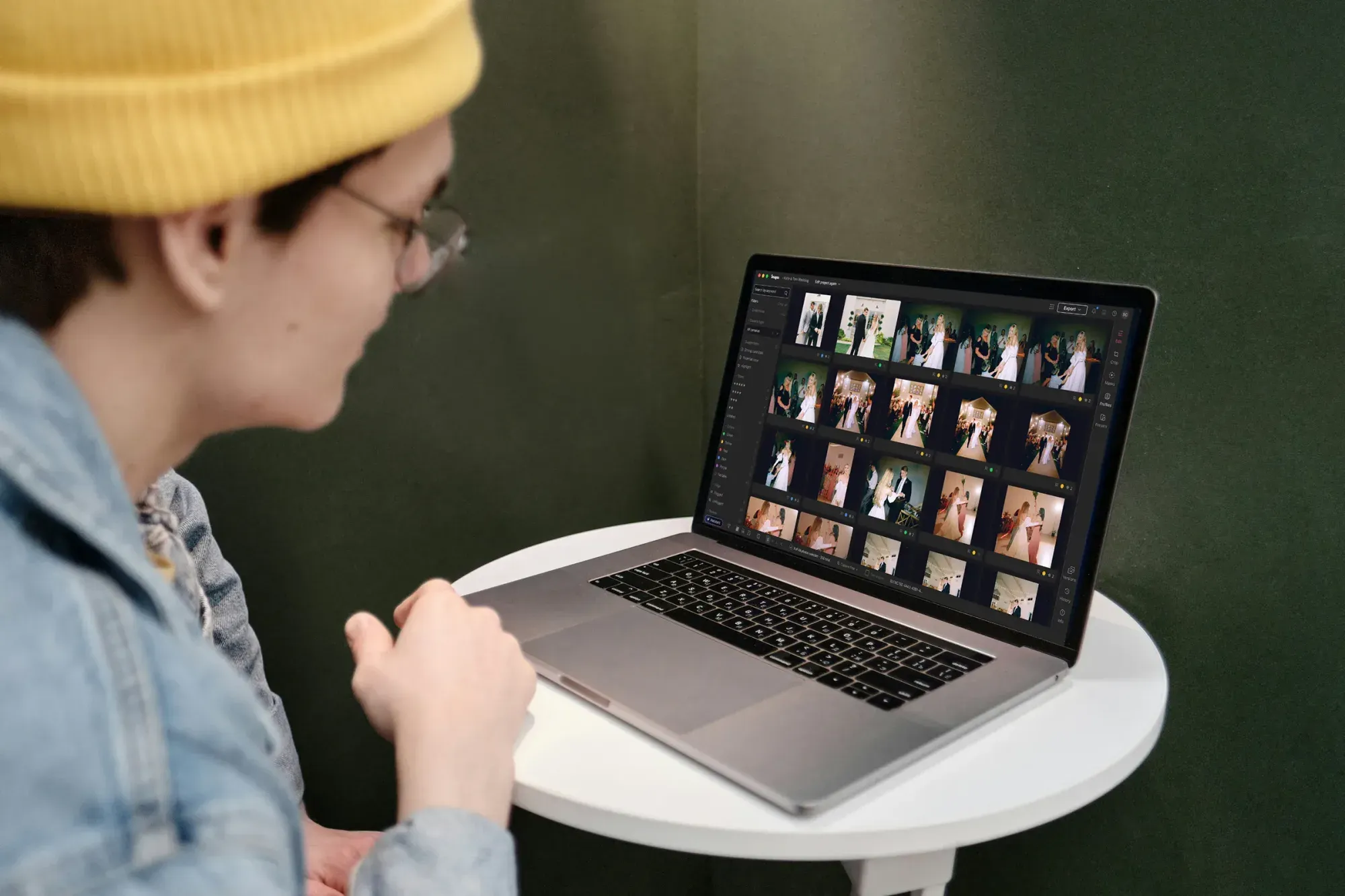
This is where a batch editing tool fits your business rather than just your workflow. Imagen is a desktop app for Mac and Windows that applies color correction, exposure, and white balance across an entire shoot in your own consistent style, and its AI culling narrows near-duplicate bursts before you start, all within its new Studio where you cull, edit, review and export in one project. The first batch finishes in under 10 minutes, so a wedding or a portrait marathon that used to swallow a weekend can be delivered while the client is still glowing about the day. Pricing is pay-as-you-go: exploring the tools is free, you pay for the photos you export, and you can test it on a real shoot first. Faster, more consistent galleries lead directly to happier clients, quicker referrals, and stronger reviews, which is lead generation working while you sleep. Imagen does not sharpen a soft capture or replace a background, so keep your expectations honest, but for turning around a full shoot fast it frees the time your marketing has been missing.
Best for: High-volume wedding, event, portrait, and real estate photographers whose editing backlog is stealing the hours they should be spending on marketing.
How to Choose Where to Start
Begin with the tactics that meet your clients where they already are. If people find you by searching, invest first in local SEO and your Google Business Profile. If your best work comes from word of mouth, build the referral engine and the review habit before anything else. If you need bookings this month rather than next quarter, test a small paid campaign while the slower tactics compound. Layer in social content, lead magnets, email, vendor partnerships, and networking as your capacity grows, and protect that capacity by keeping your delivery fast, because the time you save in editing is the time you spend filling your calendar.
For more on two of the channels above, see our guides on social media for photographers and building a clear photography pricing guide that turns leads into booked clients. You can also browse the full library of photography workflow tips for more on culling, batch editing, and delivering shoots faster.
What’s new in Imagen: Imagen now works as an intelligent, agentic Studio for professional photographers, one project where you cull, edit, review and export in any order. Edited photos arrive in batches as they process, so you can begin reviewing sooner, and you can export finished JPG, TIFF or PNG files straight from Imagen when a client is waiting. The Studio is rolling out gradually in beta.
Frequently Asked Questions
What is the best way for a new photographer to generate leads?
New photographers get the fastest traction by combining local SEO with reviews and referrals. Complete your Google Business Profile, ask every early client for a review and an introduction, and partner with a few local vendors who serve the same clients. These tactics build trust quickly and cost little beyond your time, which matters most when your budget is tight.
How many lead generation tactics should I run at once?
Start with two or three that match where your ideal clients already spend time, rather than trying all nine at once. Build those into a consistent habit, measure what actually books clients, and add more channels as your capacity grows. A focused, repeatable system beats a scattered effort you cannot sustain.
Do paid ads work for photographers?
Paid ads can work well when you need bookings quickly and have a budget to test with. Keep campaigns tightly targeted by location and client type, send every click to a focused landing page rather than your homepage, and track cost per lead honestly. Scale only the campaigns that book real clients, and treat ads as a supplement to organic tactics, not a replacement.
How does my editing workflow affect lead generation?
Editing affects lead generation through time and client experience. A slow post-production backlog eats the hours you would otherwise spend marketing, and slow galleries weaken the referrals and reviews that warm leads depend on. Speeding up delivery with batch editing frees time for marketing and gives clients a faster, more polished experience they are eager to talk about.
How much does Imagen cost, and is there a free trial?
Imagen is pay-as-you-go: you pay for the photos you export, and exploring the tools is free. That lets you test batch editing and culling on a real shoot before committing to it.