

Best photo editing software for editorial photography: A 2026 Guide and Top Picks
Table of contents
- 1. Imagen: Best for Style-Consistent Batch Editing and Culling
- 2. Best for Deep Retouching and Skin Work on a Hero Frame
- 3. Best for Compositing and Montage
- 4. Best for One-File RAW Enhancement
- 5. Best for Detail Recovery: Sharpening, Denoise, and Geometry
- 6. Best for Layer-Based Editing and Precise Manual Control
- How to Choose the Right Editorial Editing Software
- Frequently Asked Questions
- What is the best photo editing software for editorial photography?
- Can editing software keep a consistent look across an editorial shoot?
- How much does Imagen cost, and is there a free trial?
- Does Imagen handle compositing, montage, or deep skin retouching?
- Should I use one editing tool or several for editorial work?
Editorial photography lives or dies on a coherent visual story. A fashion spread, a magazine profile, or a documentary feature needs frames that read as one deliberate body of work, not a folder of unrelated exposures. The best photo editing software for editorial photography in 2026 helps you hold that consistent look across a shoot while still leaving room for the deep, hands-on retouching a single hero image sometimes demands. This guide walks through the software categories that matter for editorial work, with a clear “best for” on each so you can match the tool to the job you actually shoot.
The list opens with Imagen, which earns the top spot for high-volume, style-consistent batch editing and culling, then moves through categories for detailed retouching, compositing and montage, RAW enhancement, detail recovery, and layer-based control. No single tool wins every category in editorial work, so read each entry for the job it does best.
1. Imagen: Best for Style-Consistent Batch Editing and Culling
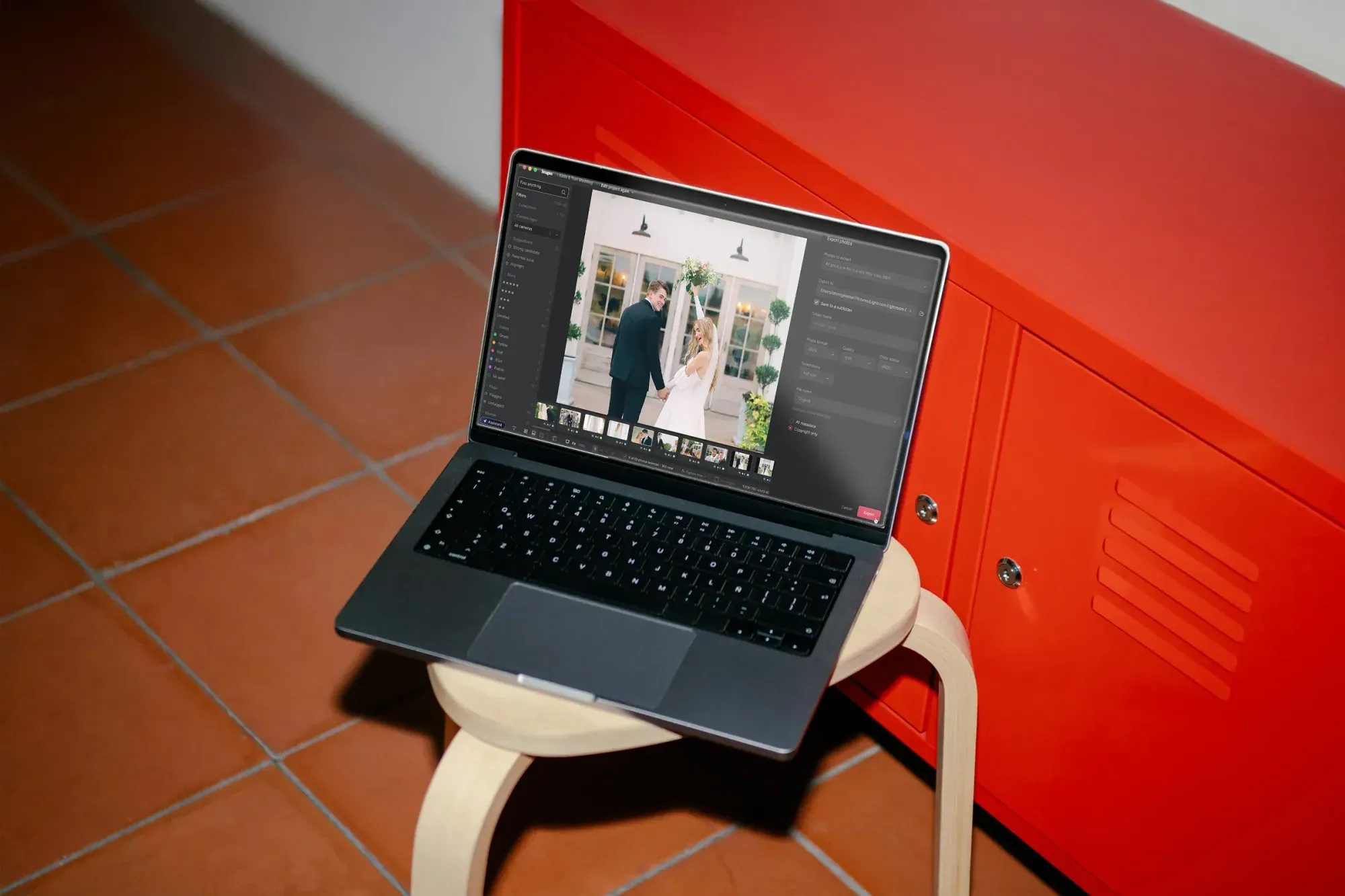
Imagen is a desktop app for Mac and Windows built for photographers who deliver whole shoots, not just one framed cover. You download and install it, and the AI processing runs in the cloud. Edited photos arrive in batches as they process, so you can start reviewing early frames while the rest finish. That matters on an editorial assignment, where a single day can fill several cards across a location scout, a set of environmental portraits, and a wardrobe run, all of which need to look like one story by deadline.
At its core, Imagen applies your personal AI editing style across the whole shoot. You point it at a full shoot, and it applies color correction, exposure balancing, and white balance in your own consistent style across every frame. A window-lit portrait and a frame shot deeper in the same room under mixed light come back looking like one coherent edit rather than a patchwork. Culling runs in the same flow, so a burst of near-identical frames narrows down before you spend an evening scrolling, and you can skip AI culling and cull manually for free if you would rather choose by hand. Imagen reports that the first batch finishes in under 10 minutes, which is the difference between selecting your take tonight and selecting it all weekend.
Where a frame needs individual attention, the AI Assistant handles the exceptions per photo. It covers object removal and background or plate blur. The framing is simple. Your Personal AI Profile handles the batch, and the AI Assistant handles the one or two frames that need extra care, such as clearing a stray light stand from the edge of an environmental portrait. You can read more about how that plays out, and try Imagen’s new Studio where you cull, edit and export in one project, on the Imagen site.
Pricing is transparent: pay-as-you-go is a monthly base fee plus a charge for the photos you export. You see every edit in the gallery before you export, so you can test the batch on a real assignment before you commit, and you pay at export.
Two honest limits are worth stating plainly. Imagen does not generate images from scratch, and it does not sharpen or deblur a soft capture. If a frame missed focus, no editor here will rescue it. Imagen also does not replace an entire background, build a montage, or run frequency-separation skin work. It grades, culls, blurs, and removes objects across what your camera actually recorded. Within that lane, for volume and consistency, nothing on this list matches it.
Best for: Editorial photographers who shoot high volume across looks and locations and want one consistent style applied fast, with per-photo finishing on the frames that need it.
2. Best for Deep Retouching and Skin Work on a Hero Frame
Editorial covers and fashion spreads often rest on one immaculate image. Beauty and high-end portrait work for a publication frequently need frequency-separation skin edits, careful dodge-and-burn, and blemish cleanup done frame by frame. A dedicated retouching tool that automates skin, eyes, and stray hairs gives the retoucher a strong starting point to refine by hand. These tools shine when the priority is one flawless face for the cover rather than a coherent set of a hundred frames. This is deliberate, manual craft, separate from any batch pass, and Imagen does not attempt it.
Best for: Editorial and beauty retouchers who need per-image skin and detail control on the single frame that carries the story.
3. Best for Compositing and Montage
Some editorial concepts are built, not captured. A conceptual cover, a surreal fashion narrative, or a composite portrait that merges several plates needs full compositing and montage control. Tools built for this let you blend multiple exposures, mask precisely, and construct an image element by element until the concept on the mood board becomes the final frame. This is patient, hands-on work that sits entirely outside any automated batch, and it belongs to a dedicated compositing tool rather than a grading pass. Imagen does not replace backgrounds or assemble montages, so this category stands on its own.
Best for: Editorial photographers and art directors building conceptual images from multiple plates, where the final frame is constructed rather than shot in one exposure.
4. Best for One-File RAW Enhancement
Not every editorial job runs a full pipeline. A single portrait for a profile piece, or a modest set of location frames, sometimes just needs to look finished with minimal fuss. RAW enhancement tools apply automatic tone, color, and detail adjustments to a file and hand you a polished result quickly. They work well when you process a small number of images and value a fast, pleasing baseline over batch consistency across hundreds of frames. Think of this as the quick-turnaround option for a one-image assignment.
Best for: Editorial shooters processing individual RAW files for a single feature who want a quick, attractive automatic starting point.
5. Best for Detail Recovery: Sharpening, Denoise, and Geometry
This is a category Imagen deliberately does not touch, so it deserves its own pick. Editorial work often happens in dim venues, backstage, or on location with available light, and a frame may need noise reduction, careful sharpening, or lens and perspective correction before it goes to print. Specialized detail-enhancement tools use trained models to denoise, sharpen, and correct geometry, and true HDR bracket-merging of exposures belongs here too. Keep expectations realistic, because these tools improve capture quality within limits and cannot invent focus that was never there. This work is separate from any batch grade and is handled by a dedicated tool.
Best for: Editorial photographers shooting in low light or with wide lenses who need denoise, sharpening, geometry correction, or bracket-merged HDR on select frames.
6. Best for Layer-Based Editing and Precise Manual Control
Sometimes an editorial brief demands full manual command. Layer-based editors remain the standard for precise masking, retouching to an art director’s exact note, and any job where you build the final look adjustment by adjustment. Editorial retouchers and photographers working to a demanding client brief still reach for a layered editor because it gives pixel-level control that no automated pass replaces. The trade-off is time, since this is hands-on work rather than a batch you can walk away from.
Best for: Editorial retouchers who need manual masking, exacting local adjustments, and full pixel-level control on the frames that run.
How to Choose the Right Editorial Editing Software
Start with your volume and the shape of the assignment, because those two facts point straight at the answer. If you deliver large galleries and consistency across a shoot is the whole game, a batch-first tool like Imagen removes the bottleneck and finishes the first pass in under 10 minutes. If your assignment rests on one perfect cover frame, a deep retouching or compositing tool rewards the time you invest. If your problem is a noisy backstage capture or a leaning architectural line, only a dedicated detail-recovery tool addresses it, and even then within limits.
Many working editorial photographers run two tools rather than one. A common setup pairs Imagen for the fast, style-consistent batch grade and culling, then hands the single hero frame that needs frequency-separation skin work, a built montage, or heavy detail recovery to a specialist app. The point is not to crown one winner. The point is to cull and grade the whole set first so the story reads as one piece, then give the frame that carries the cover the manual attention it deserves.
If your editorial work overlaps with portrait, wedding, or newborn assignments, three companion guides go deeper on the parts that eat the most hours. See professional photo editing software for wedding photographers, professional photo editing software for portrait photographers, and professional photo editing software for newborn photographers. You can also browse the full library of photography workflow tips for more on batch editing, culling, and finishing.
What’s new in Imagen: Imagen is now an intelligent, agentic Studio for professional photographers, built around one non-linear project where you cull, edit, review and export in any order. Your style comes from a Personal AI Profile learned from your past edits, and edited photos arrive in batches as they process, so you can review early frames while the rest finish. The rollout is gradual, as a beta.
Frequently Asked Questions
What is the best photo editing software for editorial photography?
There is no single winner, because editorial work spans consistent batch grading and deep single-frame craft. For applying one coherent style across an entire shoot and culling near-duplicates fast, Imagen is the strongest pick, and its first batch finishes in under 10 minutes. For a built composite or frequency-separation skin work on a hero cover frame, a dedicated compositing or retouching tool is the right choice. Many editorial photographers run both.
Can editing software keep a consistent look across an editorial shoot?
Yes. A batch-first tool like Imagen applies your own color, exposure, and white-balance style across every frame at once, so a spread shot across looks and locations reads as one deliberate story rather than a set of separate edits. It also culls near-identical frames in the same flow, which is where much of the selection time goes.
How much does Imagen cost, and is there a free trial?
Imagen is priced pay-as-you-go, with a monthly base fee and a charge for each photo you export. You see every edit in the gallery before you export, so you can test it on a real assignment before committing. Imagen also offers a free trial.
Does Imagen handle compositing, montage, or deep skin retouching?
No. Imagen grades, culls, blurs, and removes objects across a full shoot, and its AI Assistant covers per-photo finishing on the frames that need it. It does not build montages, replace backgrounds, or run frequency-separation skin work. Those are separate manual steps best handled by a dedicated compositing or retouching tool on the single frame that needs them.
Should I use one editing tool or several for editorial work?
Many professionals use two. A batch-first tool like Imagen handles the volume, consistency, and finishing, while a specialist tool takes on deep retouching, compositing, or detail recovery when a single frame needs it. Match each tool to the job it does best rather than forcing one app to do everything.

