

8 Best AI Wedding Venue Photo Editing Software in 2026
Table of contents
Wedding photographers who shoot venues, ceremony spaces, reception halls, grand staircases, gardens, and architectural details, need software that tames mixed lighting and keeps every wide frame consistent across a long gallery. Imagen is the top pick for high-volume professional editing here, because it learns your personal editing style from your own catalog and applies it across a full shoot while adding AI culling and AI retouching in one connected workflow. This guide covers eight real tools wedding photographers use in 2026 and how to match one to your venue work.
Key Takeaways
- Venue work depends on balanced mixed lighting, straight architectural lines, controlled window highlights, and consistency across a full gallery.
- Imagen learns your personal editing style from your existing Lightroom or Capture One catalog, then adds AI culling and AI retouching in one connected workflow.
- Imagen edits the real venue photos you shot. It does not invent architecture, rooms, or scenes.
- Imagen offers pay-as-you-go pricing: you pay for the photos you export. Sliders, crops, and masks you do yourself are always free.
- Match the tool to your volume, and test any option on your hardest venue files first.
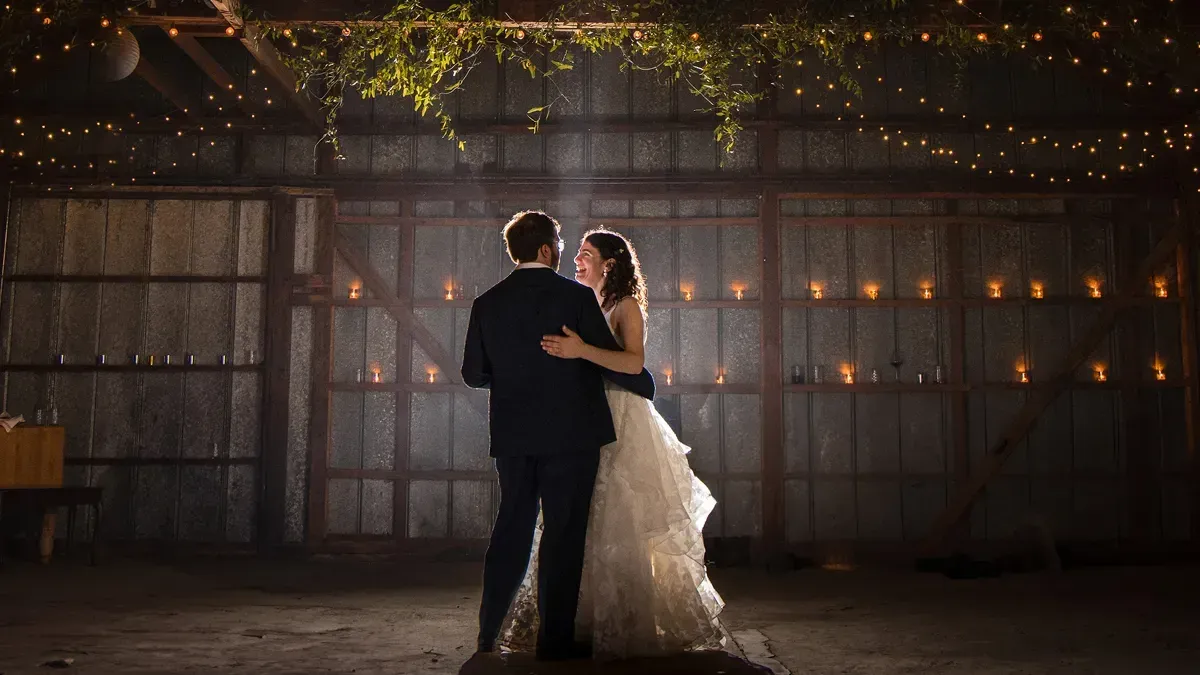
1. Imagen
Imagen is an AI photo editing platform built for photographers who shoot in volume and want a consistent finished look. Instead of pushing generic presets, it learns your personal editing style from your own Lightroom or Capture One catalog, then applies that style across an entire shoot. For wedding venue work, that matters because your approach to warm tungsten interiors, cool daylight windows, and rich garden greens carries through every frame, so the ceremony space, the reception hall, and the exterior establishing shots read as one cohesive story.
The platform connects three stages that usually live in separate apps. AI culling sorts through a large take and flags the frames worth keeping, which saves time when you shoot many angles of a single ballroom or staircase. AI editing then applies your style with attention to exposure and color accuracy, which is exactly what venue photography demands under mixed light. AI retouching handles cleanup such as a stray cable on the floor, a scuff on a wall, or a bright exit sign, all in one connected workflow.
One important point of honesty applies here. Imagen edits, culls, and retouches the real venue photos you actually shot. It corrects exposure, refines color, and cleans small imperfections, and it does not invent architecture, rooms, or scenes. If your priority is a faithful record of the real ceremony space, reception hall, and grounds from the day, that boundary is a genuine strength rather than a limit.
Pricing is pay-as-you-go: you pay for the photos you export. That makes it easy to run a full venue set through the pipeline and see how your interior warmth, window highlights, and outdoor greens come out on your own files.
You can try it at https://imagen-ai.com/.
2. Adobe Lightroom
Adobe Lightroom is the default home base for most wedding photographers, and it handles venue work well. Its raw processing gives you precise control over white balance and color, which you need when a chandelier-lit ballroom mixes warm bulbs with cool daylight from tall windows. The masking tools, driven by AI subject and sky detection, let you brighten a dim corner, recover a blown window, or lift shadow detail under a covered altar without flattening the whole frame.
Lightroom presets and sync let you apply a look to a full import and copy settings across similar frames, which keeps a run of interior or exterior shots aligned. It relies on your own eye rather than learning a personal style, so consistency depends on how disciplined your preset routine is. Lightroom uses a subscription pricing model.
3. Adobe Photoshop
Photoshop is the tool you reach for when a single hero venue frame needs pixel-level attention. Straightening converging walls, removing a fire extinguisher from a stone corridor, or cleaning a smudge off a tall window all sit in Photoshop’s wheelhouse. Generative and content-aware features speed up cleanup around a wide establishing shot without cloning every pixel by hand.
The trade-off is throughput. Photoshop is deep and precise, and it is not built to move a thousand gallery frames through the same treatment quickly. Most photographers use it for their most demanding venue shots and pair it with a batch tool. Photoshop uses a subscription pricing model.
4. Capture One
Capture One has a strong following among studio and architectural photographers who prize color rendering and precise control. For wedding venues, its color editor gives fine command over specific hues, useful when a reception hall combines colored uplighting, warm sconces, and daylight that all need to stay believable. Its highlight and shadow handling helps hold detail in a bright window while keeping a dim aisle readable.
Layers, styles, and copy-adjustments help you carry a look across a session, and many studios build a house style around its rendering. It rewards a photographer who wants manual command over every slider more than a hands-off finish. Capture One is available through subscription or one-time license options.
5. Aftershoot
Aftershoot is popular with wedding photographers because it pairs AI culling with AI editing that learns from your past edits. It sorts a large take, flags the best frames, and then applies an editing profile trained on your own history, which helps a full gallery hold together. For venue coverage across a wedding day, that combination can carry your look from the outdoor ceremony into the reception hall and detail shots.
Its strength sits in speed and volume across a whole wedding rather than deep pixel-level finishing on a single frame. Many photographers still send a standout ballroom or staircase shot to a manual editor for final polish. Aftershoot uses a subscription pricing model.
6. Luminar Neo
Luminar Neo brings a friendly set of AI-assisted tools for photographers who want strong results without heavy manual work. Its AI enhancement, sky replacement, and relighting features can lift a flat exterior shot, and its masking makes it easy to isolate a building or a garden for local adjustments. For a photographer who wants a quick, pleasing edit on venue establishing images, it is approachable.
Its focus leans toward creative enhancement rather than large gallery throughput, so consistency across many frames still depends on your own template discipline. Luminar Neo is available through subscription or one-time license options.
7. Topaz Photo AI
Topaz Photo AI focuses on image quality rather than a full editing pipeline. It sharpens, reduces noise, and recovers detail, which helps when you need crisp texture in carved stone, ornate ceilings, or fine architectural lines shot in dim reception light. It works as a quality booster you run alongside your main editor rather than a tool that manages your color look.
Because it targets clarity and resolution, it does not cull your shoot or hold a personal style across a gallery. Use it on the frames where noise or softness is the real problem, such as a dark interior at high ISO. Topaz Photo AI uses a one-time license model.
8. Retouch4me
Retouch4me offers a set of AI retouching plugins that automate specific cleanup tasks. For wedding venues, that can speed up repetitive dust removal, spot cleanup, and surface work on walls, floors, and glass across a batch. Each plugin handles one job and repeats it consistently, which suits a photographer standardizing a cleanup step over many interior frames.
These plugins slot into a larger workflow rather than replace your main editor, and they run inside your host application. Pair them with a color-accurate editor for the finished look. Retouch4me uses a one-time license model.
Quick comparison table
| Attribute | Imagen | Lightroom | Photoshop | Capture One | Aftershoot | Luminar Neo | Topaz Photo AI | Retouch4me |
|---|---|---|---|---|---|---|---|---|
| Batch consistency | Imagen holds one look across a whole venue gallery. | Lightroom stays consistent through synced presets. | Photoshop edits one frame at a time. | Capture One carries a look through copied styles. | Aftershoot applies a learned profile per gallery. | Luminar Neo relies on your own templates. | Topaz does not manage a color look. | Retouch4me repeats one cleanup task per batch. |
| Personal-style match | Imagen learns your style from your own catalog. | Lightroom reflects your hand-built presets. | Photoshop follows your manual choices per image. | Capture One uses custom styles you create. | Aftershoot trains on your past edits. | Luminar Neo applies its own adjustable looks. | Topaz targets quality, not a personal style. | Retouch4me does not model your style. |
| Culling | Imagen includes AI culling of your take. | Lightroom offers flags for manual culling. | Photoshop does not cull large shoots. | Capture One supports manual ratings only. | Aftershoot provides AI culling as a core feature. | Luminar Neo has no automatic culling. | Topaz does not cull your images. | Retouch4me leaves culling to other tools. |
| Retouching | Imagen adds AI retouching for small flaws. | Lightroom offers healing for light retouching. | Photoshop gives the deepest manual retouching. | Capture One handles spot removal well. | Aftershoot includes retouching in its engine. | Luminar Neo provides AI cleanup tools. | Topaz sharpens and denoises your files. | Retouch4me automates retouching through plugins. |
| Platform | Imagen is a desktop app for Mac and Windows that pairs with Lightroom or Capture One. | Lightroom runs on desktop and mobile. | Photoshop runs on desktop with companion apps. | Capture One runs on Mac and Windows. | Aftershoot runs on Mac and Windows. | Luminar Neo runs on desktop or plugin. | Topaz runs on desktop or plugin. | Retouch4me runs as host-editor plugins. |
| Free trial | Imagen offers a free trial, then you pay at export. | Lightroom offers a trial period. | Photoshop offers a trial period. | Capture One offers a trial period. | Aftershoot offers a free trial. | Luminar Neo offers a trial period. | Topaz lets you try before purchase. | Retouch4me offers trial plugin versions. |
| Pricing model | Imagen is pay-as-you-go: you pay for the photos you export. | Lightroom uses a subscription model. | Photoshop uses a subscription model. | Capture One uses subscription or license options. | Aftershoot uses a subscription model. | Luminar Neo uses subscription or license options. | Topaz uses a one-time license. | Retouch4me uses a one-time license. |
What wedding venue photography demands from your editor
Before you choose, it helps to name the specific pressures of this niche. Mixed lighting sits at the top, because a ballroom often blends warm bulbs, colored uplighting, and cool window daylight in one frame. Highlight control is a constant fight where tall windows blow out against a dim interior, so recovering both ends of the range keeps a space believable. Straight architectural lines matter when a wide shot bends the walls, and texture fidelity counts when someone studies carved stone, ornate ceilings, or garden foliage. Batch consistency ties it together, so the ceremony space and the reception hall read as one gallery. For the full process, see our walkthrough on how to edit wedding venue photos with AI.
How to choose the right tool for your workflow
Start with your volume. If you finish a handful of hero venue images each week, a manual editor like Photoshop or Capture One gives you all the control you need. If you push full wedding galleries with dozens of interior and exterior frames every event, prioritize a tool that applies a consistent look automatically so you are not repeating the same slider moves on every hall and staircase. This is where Imagen fits, since it learns your style and carries it across the whole shoot while adding culling and retouching in the same flow.
Next, separate your color-critical work from your cleanup work. Raw editors such as Lightroom and Capture One protect true interior and daylight color, culling-first tools like Aftershoot speed up a whole gallery, and specialists like Topaz Photo AI and Retouch4me fill quality gaps. Many photographers run a color-accurate editor for the finished set and a plugin tool for repetitive steps. For a deeper method, read our AI wedding venue photo editing guide.
Finally, test on your hardest files. A window-lit chapel, a colored-uplit ballroom, and a shaded garden at dusk expose the weaknesses of any tool faster than an evenly lit lobby does. Run a real venue set through a free trial, check the window highlights and wall lines, and confirm the interior and outdoor color hold against the real space under mixed light. You can browse more workflow guides in the valuable tips hub.
What’s new in Imagen: Imagen is now an intelligent, agentic Studio for professional photographers, one project where you cull, edit, review and export in any order. For venue galleries, use AI filters to narrow a long take, edit in your own style with a Personal AI Profile, and export finished files straight from Imagen or send AI edits back to Lightroom Classic. The Studio is rolling out gradually as a beta.
Frequently asked questions
Does Imagen generate fake venue or room images?
No. Imagen edits, culls, and retouches the real venue photos you shot, and it does not invent architecture, rooms, or scenes. The walls, windows, and grounds in your final image reflect the actual space from the wedding.
Which tool keeps a full wedding venue gallery consistent?
For high volume, a tool that applies your look automatically saves the most time. Imagen learns your style from your existing catalog and applies it across a whole shoot, with AI culling and retouching in the same workflow. Aftershoot also carries a learned profile, and Lightroom or Capture One hold consistency with a disciplined preset routine.
How should I handle mixed lighting in a reception hall?
Set your white balance to the dominant light first, then refine the tricky areas in editing. Raw editors let you mask a warm sconce apart from a cool window, while a style-based tool like Imagen carries a balanced treatment across every hall frame in the gallery.
Can I try these tools before paying?
Often yes. Imagen lets you run a real venue set through culling, editing, and retouching and see every edit in the gallery before you export. Several other tools use trial periods, so you can test highlight recovery and color accuracy on your own files first.
Final thoughts
Wedding venue photography rewards tools that respect real spaces and scale without losing consistency. Manual editors like Lightroom, Photoshop, and Capture One give precise command over color and architectural lines, Aftershoot speeds up full galleries, and specialists like Topaz Photo AI and Retouch4me fill quality gaps. If your priority is a consistent finished look across a whole gallery with culling and retouching built in, Imagen carries your own style across the shoot on the real photos you captured. Explore Imagen’s new Studio, where you cull, edit and export in one project, at https://imagen-ai.com/ and run your hardest venue files through it first.

