

AI Photo Editing for Freelance Photographers: A Complete 2026 Guide
Table of contents
- AI Photo Editing for Freelance Photographers: A Complete 2026 Workflow Guide
- Why Freelance Photographers Turn to AI Editing
- Step 1: Import and Organize Your Catalog
- Step 2: Cull Faster With AI Selection
- Step 3: Apply Your Personal Style Across the Full Shoot
- Step 4: Retouch Portraits Without the Manual Grind
- Step 5: Review, Refine, and Deliver
- What AI Photo Editing Costs a Freelancer
- Building an AI Editing Habit That Lasts
- Frequently Asked Questions
- Start Editing Smarter Today
AI Photo Editing for Freelance Photographers: A Complete 2026 Workflow Guide
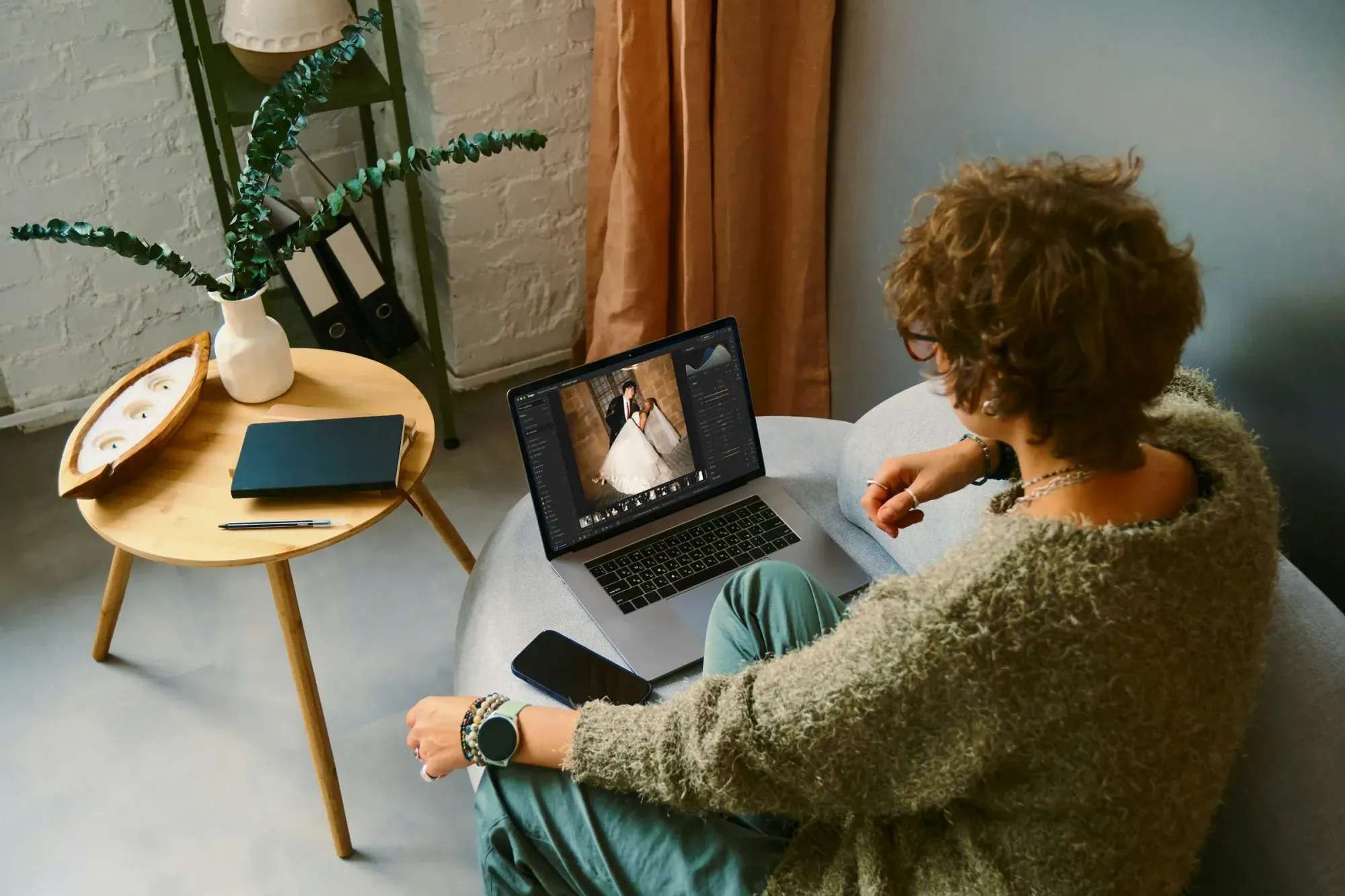
AI photo editing for freelance photographers means training software to learn your personal editing style, then letting it apply that look across a full shoot while you focus on shooting and running your business. The fastest path in 2026 is to cull, color, and retouch in one connected workflow, so a wedding or portrait job that once took a full weekend closes in an evening. This guide walks the real editing process step by step, shows where AI saves the most time, and names the tools that honestly help at each stage.
One point matters before you start. Imagen edits, culls, and retouches the real photos you shot. It does not invent people, places, products, or scenes, so your clients receive their actual moments, finished in your style, not a synthetic version of them.
Why Freelance Photographers Turn to AI Editing
As a freelancer, your time is your inventory. Every hour at the desk is an hour you are not booking clients, marketing, or resting. A single wedding can produce 3,000 to 6,000 frames, and editing that volume by hand often takes 15 to 30 hours per event. AI editing compresses the repetitive parts of that work, so you keep the creative decisions and hand off the mechanical ones.
The goal is not to remove your judgment. The goal is to protect it. When culling and baseline color happen in minutes, you arrive at the finishing stage fresh, and you make sharper choices on the frames that actually matter. For a deeper look at picking a platform, read our companion piece on the best AI photo editing software for freelance photographers.
Step 1: Import and Organize Your Catalog
Every clean edit starts with a clean import. Bring your raw files into Lightroom or Capture One, back them up to a second drive before you touch a slider, and name the shoot with a consistent convention like client-date-location. Good structure now saves you from lost files and confused revisions later.
Keep a simple, repeatable folder system for every job:
- Copy raw files to your working drive and a backup drive at the same time.
- Create subfolders for selects, edited, and delivered so nothing gets mixed up.
- Apply keywords or color labels that match how you search for work later.
- Confirm your catalog reads every file before you begin culling.
This stage stays manual on purpose, because it protects your originals. Once your catalog is organized and backed up, you are ready to let AI handle the slow work that follows.
Step 2: Cull Faster With AI Selection
Culling is where most freelancers lose their evenings. Scrolling through thousands of near-identical frames to flag the keepers is slow, and by frame 2,000 your eyes stop trusting themselves. AI culling reads the full set, groups similar shots, and flags issues like closed eyes, soft focus, and duplicate poses, so you review clusters instead of one photo at a time.
Imagen culls your real shoot and surfaces the strongest frames, and you keep final say on every pick. You accept, reject, or adjust its suggestions, so the selection still reflects your eye, just reached in a fraction of the time. On a large wedding, that can turn a three-hour cull into a task you finish over one coffee. AI culling is optional, and you can cull manually in Imagen for free.
Dedicated culling tools like Aftershoot also focus on this stage, and many photographers pair a culling pass with their main editor. Choose the approach that keeps your review honest, because a fast cull is only useful if you still trust the frames it hands you.
Step 3: Apply Your Personal Style Across the Full Shoot
This is the stage where AI editing changes your business the most. Imagen learns your personal editing style from your Lightroom or Capture One catalog, then applies that look consistently across an entire shoot. Instead of copying settings from one hero frame and hoping they hold, you get exposure, white balance, tone, and color that match your signature on every image.
Consistency is what clients remember. A gallery where frame 40 and frame 400 share the same mood reads as professional, and it protects your brand across every delivery. Because the edit is trained on your own past work, the results look like you made them, not like a generic filter dropped on top.
Keep these habits when you run a style pass:
- Feed the model a strong, representative set of your own finished edits so it learns your true look.
- Review a sample batch first, then apply across the full gallery once the tone feels right.
- Spot-check tricky lighting like backlight, mixed indoor light, and harsh midday sun.
- Save your trained profile so the next shoot starts from your established style.
Preset marketplaces and one-click looks from tools like Luminar can give you a starting mood, but a trained personal profile matches your specific hand across thousands of frames. For hands-on tuning ideas, see our AI photo editing tips for freelance photographers.
Step 4: Retouch Portraits Without the Manual Grind
Retouching is the second big time sink for portrait and wedding photographers. Smoothing skin, cleaning stray hairs, and evening out tone across dozens of headshots by hand can add hours to every job. AI retouching handles the repetitive corrections at batch scale, so you apply a natural, consistent finish across a full set in one pass.
Imagen retouches the real people you photographed, and it does not swap faces or invent features. It refines skin, teeth, and blemishes on the actual frames, which keeps your subjects looking like themselves. You set the intensity, so a natural documentary style and a polished editorial style each stay true to your brief.
Specialist tools like Retouch4Me focus on individual retouching tasks, and some photographers use them for high-end single images. For everyday client volume, a batch retouch built into your main workflow keeps your delivery times predictable without sacrificing a clean, believable result.
Step 5: Review, Refine, and Deliver
Once AI has culled, colored, and retouched, your job shifts to quality control. Scan the gallery for outliers, fine-tune the handful of hero images that deserve extra care, and confirm the tone holds from the first frame to the last. This is where your eye earns its value, because you are polishing selects rather than grinding through the whole set.
Run a short pre-delivery check on every job:
- Confirm exposure and white balance stay consistent across the full gallery.
- Zoom into a sample of retouched portraits to verify the finish looks natural.
- Export at the sizes your client needs, plus web versions for social sharing.
- Deliver through your gallery platform and archive the finished files.
Because the heavy lifting is done, this final pass often takes 30 to 60 minutes instead of a full day. That speed lets you turn galleries around quickly, which clients notice and refer. Explore more workflow guides on our valuable tips hub.
What AI Photo Editing Costs a Freelancer
Pricing shapes which tool fits a freelance budget, and models vary widely. Some editors charge a monthly subscription, some sell a one-time license, and others use per-image credits or a freemium tier. The right fit depends on your volume and how steady your bookings are through the year.
Imagen uses pay-as-you-go pricing, so you pay for the photos you export. You see every edit in the gallery before you export, so you can test the full culling, style, and retouch workflow on a real shoot before you commit. For a busy freelancer, paying for the photos you export means your editing cost scales with the work you actually book.
When you compare options, look past the sticker and weigh the total time saved. A tool that trims 10 hours off a wedding pays for itself quickly, because those hours convert into new bookings, better rest, or both.
Building an AI Editing Habit That Lasts
The freelancers who benefit most treat AI editing as a repeatable system, not a one-time trick. Standardize your import structure, keep your trained style profile current, and run the same review checklist on every job. Consistency in your process produces consistency in your galleries, and that reliability is what turns one-time clients into repeat bookings.
Start small if you feel unsure. Run one past shoot through an AI workflow, compare the result to your hand edit, and measure the hours you save. Once you trust the output, fold it into your standard delivery, and reclaim the evenings you used to spend at the desk.
What’s new in Imagen: Imagen has grown into an intelligent, agentic Studio for professional photographers. In one project you can cull, edit, review and export in any order, so the steps in this guide no longer have to happen one at a time. Use AI culling, or skip it and cull manually for free, then export finished JPG, TIFF or PNG files from Imagen or send AI edits back to Lightroom Classic as XMP. The Studio is rolling out gradually as a beta. Explore Imagen.
Frequently Asked Questions
Does AI photo editing replace my personal style?
No, it applies your style at scale. Imagen learns your look from your own Lightroom or Capture One catalog and applies it consistently across a full shoot, so the results reflect your hand. You still review and approve every image, which keeps your creative voice in control.
Will AI editing change what my clients actually looked like?
No, Imagen edits the real photos you captured. It culls, colors, and retouches your actual frames, and it does not invent people, places, or scenes. Your clients receive their genuine moments, finished in your style rather than replaced by a synthetic image.
How much can I edit for free before paying?
There is a free trial, and you see every edit in the gallery before you export, so you can run a real shoot through the full culling, style, and retouch workflow and judge the results first. When you export, pay-as-you-go pricing applies, so you pay for the photos you export.
How much time does AI editing really save on a wedding?
Results vary by shoot size, but many freelancers cut editing from 15 to 30 hours down to a few hours per event. The biggest gains come from culling and batch color, which AI handles in minutes. You spend your remaining time on the hero frames that deserve a personal touch.
Start Editing Smarter Today
You did not go freelance to spend your nights at a monitor. Let AI carry the repetitive editing while you keep the creative decisions and grow your business. Try the full culling, style, and retouch workflow on your next shoot in Imagen’s new Studio, where you cull, edit and export in one project, and see the hours come back to you. Start your free trial.

