12 Popular Types of Wedding Photography Styles for 2026
Table of contents
- Key Takeaways
- Traditional Wedding Photography
- Photojournalistic and Documentary Storytelling
- High-Fashion Editorial Styles
- Fine Art and Hybrid Film Methods
- Dark and Moody Cinematic Aesthetics
- Light and Airy Sunshine Looks
- True Vintage Film and Retro Formats
- Direct Flash and Street Style Paparazzi Aesthetics
- Scenic Adventure Photography
- Drone and Aerial Perspectives
- Underwater Trash the Dress Sessions
- Candid Guest and Point-and-Shoot Content
- Wedding Photography Styles Comparison
- Workflow Recommendations
- Frequently Asked Questions
- Can you combine multiple wedding photography styles?
- What should we ask a photographer before booking?
- Do photographers own the copyright to the wedding photos?
- Can we request the RAW, unedited wedding files?
- How do we handle bad weather on our wedding day?
- How long does it take to get our wedding photos back?
- What is the difference between culling and editing?
- Why is film wedding photography more expensive than digital?
- Keep exploring
Picking your wedding photography style doesn’t have to feel like a chore. Still, with so many options online, it’s easy to get overwhelmed.
Want to speed up your editing workflow? Try Imagen’s new Studio, where you cull, edit and export in one project, and see what changes in your own galleries. Exploring is free.
Photographers face their own challenge too, since client expectations keep shifting year over year. Here’s a breakdown of the top visual styles shaping 2026.
Key Takeaways
- Documentary photography leads the pack in 2026, with 45% of couples choosing candid shots over traditional poses.
- Luxury celebrations lean hard into editorial styles, which claim a 35% market share in high-budget weddings.
- Hybrid services keep growing, as 20% of professional photographers now pair digital cameras with analog film.
- Artificial intelligence saves serious time, cutting post-processing workflows by up to 90%.
- Couples expect quick turnaround in 2026, with 55% demanding a sneak peek gallery within 48 hours of their wedding.
- Modern photographers lean on advanced platforms like AI photo editing to keep their creative aesthetic consistent without extra effort.
Traditional Wedding Photography
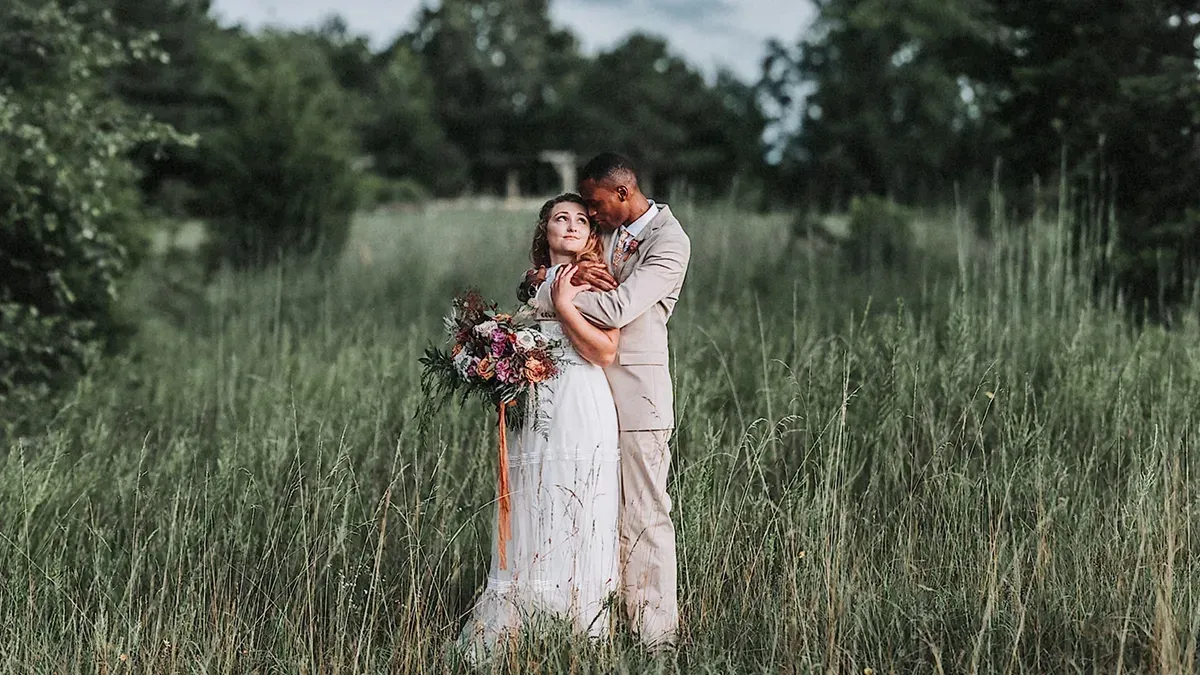
Traditional photography centers on formal, clean compositions. You’ll spot it right away: beautifully staged family groups, perfectly posed portraits of the couple, the kind of images your parents probably have tucked in a dusty wedding album. It’s stuck around because, frankly, it works.
The U.S. wedding photography market is worth $3.4 billion as of 2026, and this classic approach still forms its bedrock. Most couples lock in their traditional photographer 12 to 18 months ahead of the wedding to secure top talent. Here’s how a typical classic photographer plans the big day:
- The Shot List Verification - Going over the specific family groupings and required portraits weeks before the big day.
- The Formal Portrait Session - Spending 60 to 90 minutes after the ceremony on staged poses under controlled lighting.
- The Milestone Capture - Getting clean, centered shots of the cake cutting, first dance, and rings.
This classic approach sits at standard market rates, usually averaging around $3,000 depending on your region. Most photographers reach for a reliable 24-70mm f/2.8 lens on a high-resolution body, since it keeps every group shot pin-sharp. They’ll also set up multiple off-camera flashes to keep lighting consistent, especially in dark ballrooms.
You won’t have to worry about missing key family members with this style, since the photographer works straight from a pre-approved list. It’s safe, structured, and thoroughly professional. Here’s a quick breakdown of the benefits and drawbacks of going classic:
- Timeless Appeal - Your photos won’t look dated when trends shift twenty years from now.
- Complete Documentation - Every single family member gets formally captured in clean, even light.
- Stiff Posing - It can feel unnatural if you’re not comfortable in front of a camera.
- Time Consuming - You’ll spend most of cocktail hour posing instead of catching up with your guests.
Photographers who specialize in this look chase technical perfection, making sure no harsh shadow lands on anyone’s face. They’re also remarkably good at herding large, rowdy crowds of relatives through the family portrait block.
Photojournalistic and Documentary Storytelling
Photojournalistic wedding photography is about catching the day exactly as it unfolds. The photographer acts like a fly on the wall, never directing the action or forcing a fake smile. Because there’s zero staging, you get real tears, messy laughter, and genuine emotion caught mid-motion.
This style’s popularity has soared recently: 45% of couples now choose it as their primary photography style. It’s easy to see why. People want to remember how the day actually felt, not just how everyone posed for the camera. Here’s what defines the documentary approach:
True documentary work isn’t about capturing perfection, it’s about capturing honesty. When you stop staging the moments, the real powerful of the day finally shows up in the frame.
Itamar Haim, AI Photography Workflow Specialist.
Documentary photographers rely on fast prime lenses, typically a 35mm or 50mm f/1.4. That lets them shoot in dim reception halls without distracting anyone with a heavy flash setup. They stay constantly on the move, anticipating hugs, tears, and funny dance moves before they even happen.
They won’t tell you where to put your hands, and they won’t ask you to look at the camera. Instead, they’ll catch you laughing mid-conversation or wiping away a tear during the speeches. Here are the core elements you’ll notice in a documentary wedding gallery:
- Environmental Context - Wide angles that capture the chaotic energy of the bridal suite or a packed dance floor.
- Unprocessed Feel - Genuine expressions that never get airbrushed into artificial perfection.
- Quiet Presence - The photographer relies on silent digital shutters so quiet moments stay uninterrupted.
- Unpredictable Frames - Unexpected angles, reflections, and candid interactions caught in real time.
This style commands premium rates, often running from $3,500 to $6,000, since it takes real artistic skill to anticipate fleeting moments before they vanish. It suits couples who hate being center stage and just want to experience the day without constant interruption.
High-Fashion Editorial Styles
Picture your wedding day styled like a high-fashion shoot for Vogue. That’s editorial wedding photography in a nutshell: everything from your dress to the table settings gets captured with dramatic, stylized flair. The result is polished, artistic, and tightly curated, so every frame looks like a luxury ad.
It’s a favorite for high-budget events, with 35% of luxury weddings specifically requesting this style. Editorial photographers lean on creative angles, direct flash, and active direction to make you look like a runway model. Expect to spend real time working through dramatic poses that highlight your outfit and venue.
To pull off this look, photographers bring high-end lighting gear like Profoto strobes and beauty dishes. They aren’t just capturing the scene, they’re actively shaping it: moving furniture, adjusting your veil, directing exactly where your gaze lands. It’s technical work, and it demands a sharp eye for fashion trends. Here are the defining features of this high-fashion approach:
- Structured Posing - Highly directed, statuesque postures that create real visual impact.
- Commercial Details - Your accessories, invitations, and tablescapes look pulled straight from an upscale design magazine.
- Dramatic Contrast - Heavy use of direct light, intentional shadow, and artistic backlighting.
- Cinematic Angles - Low-angle shots and wide views that make you look larger than life.
This style sits at the top of the market, typically running $5,000 to $15,000 or more depending on the photographer’s brand. Plan to set aside at least two hours of your wedding day specifically for portraits if you want this high-end look.
Fine Art and Hybrid Film Methods
Fine art photography treats your wedding day like a series of paintings. It’s not just about documenting what happened. It’s about crafting soft, ethereal, cohesive images. These photographers chase beautiful light, soft pastel colors, and elegant compositions everywhere they go.
We’ve seen this style explode through hybrid shooting. Today, 20% of wedding photographers offer hybrid packages that mix digital with real analog film. Honestly, it’s a gorgeous look, soft and romantic whether you’re scrolling on screen or flipping through a printed album. Here’s a quick checklist of what goes into a fine art wedding gallery:
- Shallow Depth of Field - Shooting at wide apertures like f/1.2 to create dreamy, blurry backgrounds that put all the focus on you.
- Luminous Skin Tones - Bright, glowing skin with gentle highlights that look seriously flattering in every shot.
- Artistic Details - Careful styling touches, like calligraphy invitations arranged on vintage styling mats.
- Slower Pacing - The photographer takes their time composing each frame, chasing the perfect natural light.
You’ll often find fine art photographers shooting with medium format film cameras like the Contax 645. It gives the images a painterly quality digital sensors just can’t fake convincingly. Here’s a quick pros and cons breakdown of this beautiful approach:
- Gorgeous Aesthetics - Soft, romantic images that look stunning printed in a large album.
- Extremely Flattering - Bright, soft light that naturally smooths over skin imperfections.
- Slow Pace - This style just doesn’t keep up with high-energy, fast-paced action.
- High Cost - Film stock and developing fees push these packages into pricier tiers.
Planning an elegant estate, vineyard, or garden wedding? This fine art approach will match your venue’s romantic feel beautifully.
Dark and Moody Cinematic Aesthetics
Want drama, depth, and a touch of mystery? Dark and moody photography is your best bet. It skips bright, flat lighting for deep shadows, high contrast, and rich warm tones instead. Honestly, it’s romantic in a way that makes every scene feel like a cozy film frame.
Editing these deep tones takes real skill, and professional photographers spend an average of 40 to 60 hours post-processing a single wedding. Thankfully, tools like AI photo editing can process 1,500 photos in under 10 minutes while keeping those moody tones consistent across the whole gallery. Here’s how this rich aesthetic plays out on your wedding day:
Photographers hunt for single light sources, think a window in a dark room, or candlelit tables at the reception. They’ll underexpose the shot just slightly to hold onto those rich shadow details, a technique called chiaroscuro. It’s a perfect match for indoor ceremonies and autumn or winter weddings. Here are the key technical elements of this moody look:
- Low-Key Lighting - Keeping the couple lit while the background fades into soft, dark shadow.
- Desaturated Cool Tones - Dialing down the blues and greens while keeping skin tones warm and rich.
- Cinematic Contrast - Making the subjects pop against dark, atmospheric backgrounds.
- Warm Highlights - Giving candlelight and indoor lighting a warm, golden glow.
Dark and moody photographers usually land in mid-range to premium territory, averaging $3,000 to $5,000. It’s a fantastic pick if your wedding design leans on rich colors, velvet textures, and plenty of candlelight.
Light and Airy Sunshine Looks
This one’s the polar opposite of dark and moody. Light and airy photography goes all in on bright, luminous, pastel-toned imagery, full of joy, optimism, and glowing sunshine. Photographers get there by intentionally overexposing parts of the frame so the colors feel soft and dreamy.
It’s huge on social media because it just looks clean and fresh. Want this bright, romantic feel for your own gallery? You’ll need to team up with your photographer to set up your environment right. Here are three tips to get the most out of a light and airy photographer:
- Choose Light-Colored Venues - White walls, open gardens, and sandy beaches bounce light beautifully, giving the photographer those clean, bright backgrounds to work with.
- Wear Soft, Pastel Colors - Ask your wedding party to stick to neutral tones or light pastels, which look gorgeous under high-key lighting.
- Schedule Golden Hour Sessions - Time your portraits for the hour before sunset so you get warm, glowing light without harsh midday shadows.
Photographers who shoot this style love backlit scenes, where the sun sits right behind you and creates that beautiful halo effect in your hair. They’ll bounce soft light back onto your face with reflective discs, keeping your skin smooth and radiant. It’s a classic pick for outdoor spring and summer weddings.
You’ll typically find this style priced in the mid-range tier, averaging $3,000 to $5,000. It’s reliable too, always coming out elegant, clean, and cheerful no matter whose album it’s in.
True Vintage Film and Retro Formats
There’s real power in the look of true analog film. Vintage film photography is making a massive comeback, with couples craving the authentic grain, soft colors, and nostalgic feel of 35mm and medium format stock. It’s not just an emulation. It’s a completely different way of shooting, one that forces the photographer to slow down and compose each frame with care.
Film rolls and lab processing don’t come cheap, so film packages command a 30% price premium over digital-only packages. But for a lot of couples, the organic colors and physical negatives are worth every extra dollar. Here’s the process a vintage-focused photographer uses to capture your day:
- Selecting the Film Stock - Picking specific rolls (like Kodak Portra for warm tones or Fuji Pro for cool greens) based on the light that day.
- Slowing Down the Shoot - Carefully framing each shot, since a roll of medium format film only holds 12 to 16 frames.
- Lab Processing and Scanning - Sending physical rolls to a professional lab, which develops the negatives and scans them into high-resolution digital files.
- Matching the Digital Shots - Editing digital backup files to match the exact grain and color profile of the physical film.
Photographers often carry multiple vintage bodies, like a Leica M6 or a Hasselblad 500C, alongside their modern digital gear. They’ll shoot the ceremony on digital for safety, then switch over to film for portraits and cocktail hour. Here are the unique features of shooting real film:
- Organic Film Grain - A beautiful, textured look that adds real physical depth to your images.
- Nostalgic Color Palette - Creamy highlights, rich blacks, and skin tones that look strikingly natural.
- Physical Assets - You’ll own actual, physical negatives you can hold onto for generations.
- No Instant Review - The photographer can’t peek at the camera’s back screen, which builds trust and keeps everyone present.
Expect premium pricing for real film packages, with most starting around $4,500 and going up to $9,000. It’s an investment, sure, but you’re paying for a classic, handmade process that yields genuinely unique art.
Direct Flash and Street Style Paparazzi Aesthetics
Candid street style photography brings fast, gritty, urban energy to a wedding. Inspired by fashion runways and paparazzi shots, it relies on direct on-camera flash, motion blur, and spontaneous composition. The result feels like a wild night out in the city, and it captures the energy of the party instead of formal poses.
This style is exploding in popularity. 70% of Gen Z and Millennial couples now use TikTok and Instagram as their main tool for picking a photography style, and 40% of photography studios offer vertical video content alongside traditional stills to capture these candid moments. Here’s what makes street style so trendy:
Photographers mount a flash directly on top of the camera and point it straight at you. This produces a high-contrast, edgy look with sharp shadows behind you, the kind that makes you look like a celebrity on a red carpet. It’s fast, it’s spontaneous, and it’s a lot of fun. Here are the core features of this modern look:
- Direct Flash Exposure - Bright, vivid subjects set against dark backgrounds, giving off a cool, retro party vibe.
- Intentional Motion Blur - Holding the shutter open slightly longer to catch the spinning movement of the dance floor.
- Spontaneous Posing - Walking down city streets, eating pizza in your wedding attire, or throwing on cool sunglasses.
- Gritty Composition - Angles that feel raw and immediate, even though every shot is professionally polished.
This high-energy style sits in the mid-range bracket, typically costing between $3,000 and $5,000. Choose it if you’re planning a city wedding and want your gallery to feel like a legendary party.
Scenic Adventure Photography
If you love the outdoors, scenic adventure photography puts you inside epic, sweeping environments. Instead of tight portraits, the photographer reaches for wide-angle lenses to show you as part of a massive, beautiful scene. The result is dramatic: your wedding photos end up looking like film posters.
This style is popular for elopements and destination events. Destination weddings now account for 25% of the market, and whether you’re standing on a cliffside in Big Sur or out in a vast desert, the environment becomes a central character in your photos. Here’s how to plan for this outdoor style:
- Check the Hiking Route - Research the trail difficulty ahead of time and find a safe spot to change into your wedding attire.
- Monitor the Weather App - Plan for wind, rain, or fog, since any of them can completely change the mood of the shoot.
- Pack Practical Footwear - Wear hiking boots under your wedding clothes, then switch to formal shoes once you reach the location.
Photographers who shoot this style rely on durable, weather-sealed gear like the Nikon Z8 or Sony A7R V to handle wind, dust, and rain. They’ll often shoot during the blue hour, just after sunset, to capture those cool, moody tones in the mountains. Here’s what to consider before booking this style:
- Epic Visuals - Breathtaking, wide-angle shots that look like professional travel photography.
- Memorable Experience - An unforgettable adventure, hiking and exploring beautiful nature spots on your wedding day.
- Weather Dependent - You can’t control the elements, so you’ll need to stay flexible with rain or wind.
- Physical Effort - Expect walking, climbing, and getting your outfit a little dirty for the shot.
Pricing is highly variable, usually ranging from $4,000 to $10,000 depending on travel costs and location difficulty. Book this style if you value adventure over a traditional venue experience.
Drone and Aerial Perspectives
Drone photography gives you a spectacular bird’s-eye view of the wedding day. By taking to the sky, photographers can capture geometric patterns, the full scale of your venue, and group shots you simply can’t get from the ground. It adds a modern, cinematic feel to your wedding album.
In 2026, 15% of wedding photography packages include aerial or drone shots as a standard or add-on feature. It works especially well for outdoor estate, coastal, or mountain weddings, where the layout of the property is part of the experience. Here are the key technical aspects of drone work:
- FAA Part 107 License - Your photographer needs a commercial drone license to fly legally and safely at your venue.
- Aperture and Sensor Size - Modern drones like the DJI Mavic 3 Pro carry Hasselblad cameras, so drone shots match your ground camera’s quality.
- Weather Limitations - Drones can’t fly safely in heavy wind, rain, or restricted airspace near an airport.
- Quiet Flight Paths - Fly during cocktail hour or sunset to avoid any buzzing during your quiet ceremony vows.
This high-flying style gives you a fresh perspective, one that makes your venue look like a luxury estate. Here’s a quick look at the benefits and limitations of aerial imagery:
- Unmatched Scale - Captures the full layout of your ceremony space along with the surrounding views.
- Great Group Shots - Lets the photographer fit all your guests into one clean, top-down frame.
- Noisy Operation - The buzzing sound can distract guests if the drone flies too close.
- Strict No-Fly Zones - Many national parks and city centers ban drone flights entirely.
Typically offered as an add-on service, drone coverage runs between $300 and $700. It’s a fantastic, modern way to show off your venue from a whole new angle.
Underwater Trash the Dress Sessions
For the truly adventurous, underwater wedding photography is an ultra-niche style that delivers ethereal, dreamlike images. Couples often schedule it as a “trash the dress” session days after the wedding, then submerge themselves in a pool, lake, or the ocean. The result is a series of weightless, floating portraits that look like fantasy art.
This is a highly specialized field, one that requires advanced diving skills and heavy, waterproof camera housings. More couples are booking these sessions to create a unique art piece. Let’s look at the common myths surrounding this unusual style:
- Myth - Any camera can do it. Reality: Photographers use expensive underwater housings like Nauticam to protect their gear and manage water refraction.
- Myth - It’s highly dangerous. Reality: Professional sessions always use safety divers and stick to shallow, controlled areas.
- Myth - Your dress will be ruined instantly. Reality: Most fabrics hold up fine in clean water, though it’ll definitely need dry cleaning afterward.
- Myth - It requires professional diving skills. Reality: You just need to be a confident person in the water who can hold their breath and stay relaxed.
The photos come out incredibly striking because fabrics like tulle and silk float gracefully in the water and form beautiful patterns. It’s a fun, memorable experience, and it works well as a post-wedding wind-down. These sessions are priced individually, usually costing between $1,500 and $3,000, given the safety and equipment requirements involved.
Candid Guest and Point-and-Shoot Content
There’s a growing trend toward low-fidelity, candid guest documentation. Instead of relying only on a professional photographer, couples now leave disposable cameras, polaroids, or digital point-and-shoots on the reception tables. It’s a raw, fun style, and it captures the wedding from your guests’ point of view.
This approach picks up the chaotic, unpolished moments of your reception, the ones a professional photographer might miss while focused on key events. It’s a highly social style, and it encourages everyone to pitch in on documenting the night. Here are the pros and cons of this guest-focused style:
- Authentic Fun - Captures funny, blurry, honest moments of your friends having a blast.
- Affordable Add-on - Simple to set up with cheap disposable cameras or digital point-and-shoots.
- Poor Image Quality - Expect some shots to come out blurry, dark, or completely out of focus.
- High Developing Costs - Developing 20 rolls of disposable film can cost more than the cameras themselves.
Many couples now use hybrid services, where the main photographer edits these guest photos to match the overall wedding gallery. That way, even the chaotic, blurry dance floor shots feel cohesive with the main images. It’s a great, low-stress way to add more candid memory-making to your celebration.
Wedding Photography Styles Comparison
To help you compare styles side by side, we’ve broken down how each one matches up across key factors like look, price, and editing complexity.
| Style Name | Best Fit For | Editing Complexity | Typical Price Tier |
|---|---|---|---|
| Traditional | Classic Families | Low | Mid-Range |
| Photojournalistic | Candid Lovers | Medium | Premium |
| Editorial | Fashion Enthusiasts | High | Luxury |
| Fine Art | Aesthetic Venues | High | High-End |
| Dark & Moody | Small Receptions | High | Mid-Range |
| Light & Airy | Outdoor Gardens | Medium | Mid-Range |
| Vintage / Film | Tactile Nostalgia | High (Film Lab) | Premium |
| Scenic Adventure | Nature Lovers | Low | High-End |
Workflow Recommendations
Choosing your style comes down to matching your venue, your personality, and your budget. Getting married in a bright garden? Light and Airy is the easy pick. Throwing a late-night downtown party? Street Style matches that energy perfectly.
For photographers, offering multiple styles doesn’t have to mean living in front of a computer screen. Modern tools can change your entire workflow. In 2026, 60% of professional photographers already use AI for culling or color correction, so staying competitive means using the best tech available.
Using AI profiles lets you keep your unique editing style consistent across all kinds of galleries, in record time. Platforms like Imagen help you automate editing and culling, saving hours of post-production work, and edited photos arrive in batches so you can start reviewing early frames. That frees you up to focus on mastering new styles and booking more clients, instead of staring at Lightroom slider bars all day.
What’s new in Imagen: Offering several wedding styles gets easier with Imagen, now an intelligent, agentic Studio for professional photographers. You cull, edit, review and export in one project, in any order, and you can edit in your own style with a Personal AI Profile or choose a ready-made AI Profile. More than one profile can be applied to a selected set of photos, which takes some processing time. The Studio is rolling out gradually as a beta.
Frequently Asked Questions
Can you combine multiple wedding photography styles?
Yes, it absolutely can. Many photographers work as hybrid shooters, blending documentary coverage for the ceremony with editorial direction for portraits. Just make sure you communicate your preferences clearly when you book.
What should we ask a photographer before booking?
Ask to see at least two full galleries from real weddings, not just the highlight reels. Doing this shows you how the photographer handles tricky lighting, whether it’s a dark reception hall or bright midday sun.
Do photographers own the copyright to the wedding photos?
Yes, the photographer legally owns the copyright to the images they take. That said, your contract should grant you a personal print release, so you can print and share your photos freely.
Can we request the RAW, unedited wedding files?
Most professional photographers won’t deliver RAW files, since they’re unfinished products. Editing is a huge part of their signature style, so you’ll typically only receive the fully processed, high-resolution JPEG files.
How do we handle bad weather on our wedding day?
A seasoned photographer always has a backup plan, whether that’s indoor spaces or stylish clear umbrellas. Some styles, like dark and moody or photojournalistic, actually look incredible in overcast or rainy weather.
How long does it take to get our wedding photos back?
In 2026, 55% of couples expect a sneak peek gallery within 24 to 48 hours. The full gallery usually arrives within 4 to 6 weeks, depending on the photographer’s post-production workflow.
What is the difference between culling and editing?
Culling means selecting the best shots and removing duplicates or blurry photos. Editing covers color correction, cropping, exposure adjustments, and applying the photographer’s signature style to the shots that made the cut.
Why is film wedding photography more expensive than digital?
Film photography carries high material costs, including the physical film rolls and the lab fees to develop and scan the negatives. That adds a physical premium to the package that digital simply doesn’t require.