
12 Different Wedding Photography Styles You Need to Know (2026)
Table of contents
- Key Takeaways
- How to Choose Your Style: The Core Selection Criteria
- Traditional Wedding Photography
- Photojournalistic Wedding Photography
- Fine Art Wedding Photography
- Dark & Moody Wedding Photography
- Editorial Wedding Photography
- Vintage & Analog Film Wedding Photography
- Warm & Earthy (Boho) Wedding Photography
- Cinematic Wedding Photography
- Aerial & Drone Wedding Photography
- Illustrative Wedding Photography
- High-Contrast Black & White Wedding Photography
- Adventure & Elopement Wedding Photography
- Comparing the Top Wedding Photography Styles
- The Final Verdict: Which Style Wins in 2026?
- Frequently Asked Questions
- Can we mix different wedding photography styles?
- How do I know which wedding style fits my venue?
- Why is film wedding photography so expensive?
- How long does it typically take to get wedding photos back?
- Should I worry about photo trends looking dated?
- What is the difference between documentary and photojournalistic styles?
- Does our photographer need a second shooter?
- Keep exploring
Choosing a wedding style is more than picking a pretty palette. It’s about how you’ll remember the biggest day of your life fifty years from now.
Ready to speed up your workflow? Step into Imagen’s new Studio, where you cull, edit and export in one project, and see the difference on your own photos. You pay at export, and you see every edit in the gallery first.
With more than 35% of modern couples now prioritizing raw emotion over staged poses, the visual market is moving fast. You need a look that fits your personality, suits your venue, and won’t feel painfully dated by the time your silver anniversary rolls around.
Key Takeaways
- Documentary styles now dominate the market, with 68% of modern couples favoring candid captures over heavily posed setups.
- Hybrid approaches let you blend editorial polish with candid storytelling for the best of both worlds.
- Post-production is where the real magic happens, though a typical photographer spends up to 14 hours editing a single wedding.
- Automated editing tools can save up to 96% of editing time, which keeps deliveries fast.
- Analog film styles are staging a massive comeback, though they add at least $1.50 per frame in raw material and lab costs.
- Your chosen style directly shapes your venue choice, lighting needs, and your entire wedding day schedule.
How to Choose Your Style: The Core Selection Criteria
Before we dig into specific styles, you need to understand how we evaluated them. We didn’t just track what’s trendy on social media. We graded these styles against practical, real-world metrics that affect your actual wedding day.
Here are the variables we used to break down every style below:
- Artistic Longevity: Will this look elegant in 30 years, or will it feel like a dated phase?
- Lighting Requirements: Does this style demand direct sunlight, moody interiors, or heavy flash?
- Day-Of Pace: Do you have to pause every five minutes for a pose, or can you just live in the moment?
Traditional Wedding Photography
This is the classic look your parents probably have in their own wedding album. It’s highly structured, built around formal portraits, and depends heavily on direct guidance from the photographer.
But don’t mistake classic for boring. This style hasn’t died for a reason. It’s clean, dependable, and it makes sure every family member gets captured in flattering light. If you want a guaranteed checklist of family portraits with everyone looking at the camera and smiling, this is your baseline.
Key Features
- Posed portraits of key family groupings.
- Controlled lighting setups, often using off-camera flash or heavy studio lights.
- Perfect symmetry and clean, centered compositions.
- High emphasis on traditional key moments like the cake cutting and first kiss.
Typical Industry Pricing
Packages for traditional photographers typically run $2,500 to $5,000. The shot list is predictable, so the post-production work stays straightforward, which keeps pricing in the mid-range.
Pros
- You’re guaranteed to get photos of every important guest looking directly at the lens.
- The clean editing style doesn’t rely on passing trends, ensuring long-term relevance.
- High predictability means fewer surprises in your final gallery.
Cons
- It can feel stiff, formal, and sometimes unnatural.
- You’ll spend a significant portion of your cocktail hour posing instead of partying.
- It often misses the raw, spontaneous emotional moments.
If you value structure, predictability, and a timeless family record, this style won’t let you down.
Photojournalistic Wedding Photography
Here’s the thing: some of the best moments happen when nobody’s posing for them. The photojournalistic style, often called documentary style, treats your wedding like a major news event, capturing reactions as they happen without interference.
And the results are often breathtaking. A skilled documentary photographer won’t tell you where to stand or ask you to repeat a laugh. Instead, they blend into the background, hunting for the tear on your father’s cheek or the bridesmaid laughing so hard she spills her drink. It’s about raw, unvarnished truth.
But shooting this way is hard. Since the photographer isn’t controlling the lights or the poses, they have to rely on fast reflexes and sharp technical knowledge. This style often means high-volume shooting, which makes the sorting process brutal. Many documentary photographers use automated AI photo culling to sift through the average 4,200 photos taken per event and find those rare, emotional gems.
Key Features
- Zero posing or staging during the main events.
- Use of natural light and fast, prime lenses to capture movement.
- Focus on candid reactions, background stories, and emotional interactions.
- Story-driven layout that reads like a news feature.
Typical Industry Pricing
Expect to pay anywhere from $3,500 to $7,000. That price covers real artistic skill, quick reflexes, and the huge amount of post-production sorting it takes to find the candid frames worth keeping.
Pros
- You’ll get an authentic, deeply emotional record of what the day actually felt like.
- You don’t have to spend hours posing, so you can actually enjoy your wedding.
- The photos tell a unique story that can’t be replicated.
Cons
- You might get fewer perfectly flattering, beauty-shot portraits.
- Bad lighting at the venue can lead to grainy, atmospheric photos that aren’t for everyone.
- It requires complete trust in your photographer’s eye.
This is the ideal choice for couples who want to live in the moment and dread the thought of forced smiles.
Fine Art Wedding Photography
What if you want your wedding album to look like it belongs in a modern art gallery? Fine art photography is highly artistic. It focuses on composition, delicate textures, and beautiful, dreamlike light.
It’s bright, airy, and soft, often using overexposed backgrounds to create a glowing effect. Photographers who shoot this way are incredibly detail-oriented, capturing flat lays of your invitation suite, the texture of your dress fabric, and the soft glow of the venue. Keeping that delicate look consistent across different spaces takes precise post-production. Many photographers apply custom AI profiles during their AI photo editing phase to keep those soft, pastel tones uniform from the morning prep to the reception.
Key Features
- Bright and airy color grading with soft pastel tones.
- Heavy focus on close-up detail shots, floral arrangements, and design elements.
- Often shot on medium-format digital cameras or simulated film.
- Artistic, deliberate compositions that feel spacious and clean.
Typical Industry Pricing
Fine art wedding packages sit at the premium end, typically starting at $4,500 and climbing past $9,000. The style tends to attract high-end designers and editorial planners.
Pros
- Every photo looks incredibly clean, elegant, and expensive.
- Your design choices, flowers, and styling get the spotlight they deserve.
- The soft lighting is incredibly flattering on skin tones.
Cons
- It can sometimes lack the gritty, raw emotional energy of documentary styles.
- It doesn’t work well in dark, windowless reception halls or moody spaces.
- The editing style can occasionally wash out rich colors.
If you’ve spent months perfecting your color palette and venue design, fine art style will capture every one of those details beautifully.
Dark & Moody Wedding Photography
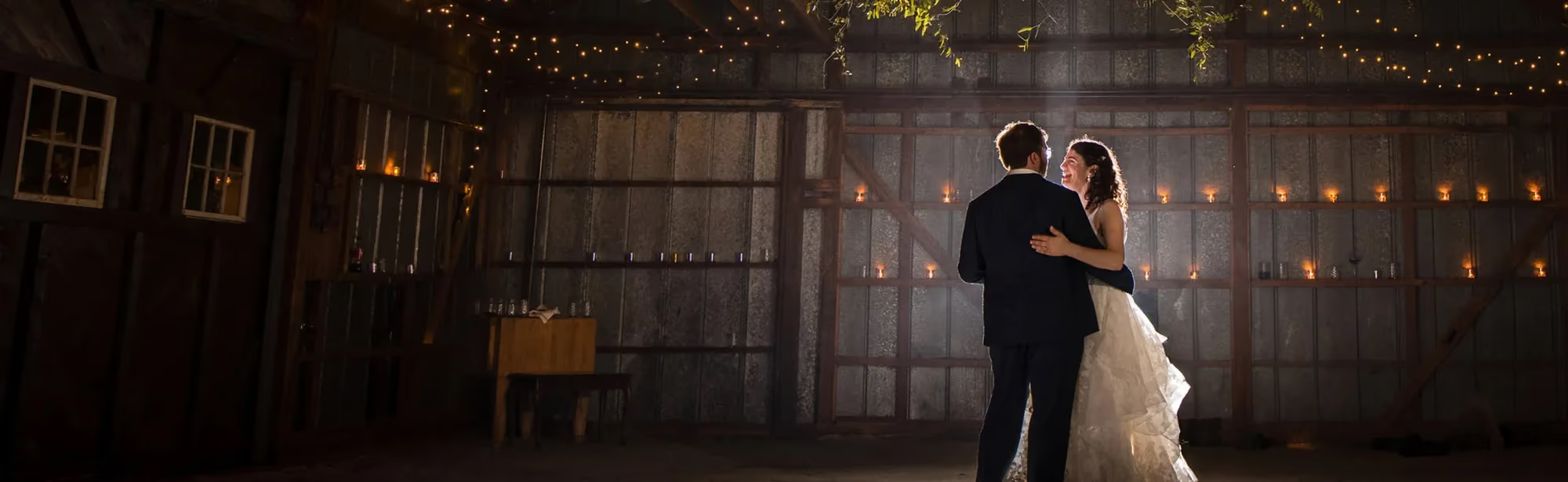
If bright and airy feels too sweet for your taste, dark and moody is the perfect antidote. Inspired by classical Chiaroscuro painting, think Rembrandt, this style leans on dramatic contrast, deep shadows, and rich, warm tones.
But don’t call it depressing, because it’s incredibly romantic. By underexposing the background and focusing light on the subjects, these photos create a personal, secret-world vibe. It works exceptionally well for autumn and winter weddings, or venues with dark wood, brick walls, and candlelit receptions.
Key Features
- Deep, dramatic shadows with rich, warm color tones.
- Focus on directional light, window light, and golden hour.
- Desaturated greens and blues to emphasize skin tones and warm wood.
- A moody, cinematic, and slightly mysterious feel.
Typical Industry Pricing
Prices usually fall between $3,000 and $6,000. The editing process is highly stylized and demands deep knowledge of color grading.
Pros
- It looks incredibly romantic, passionate, and deeply atmospheric.
- It works beautifully in low-light conditions and indoor venues.
- It stands out dramatically from the typical bright-and-airy look.
Cons
- You’ll lose some details in the shadows of black suits and dark decor.
- It can look overly processed if not handled by a skilled professional.
- It isn’t suited for bright, sunny beach weddings or pastel themes.
This is a fantastic option for unconventional couples planning a cozy, personal, or evening celebration.
Editorial Wedding Photography
Ever flipped through Vogue or Harper’s Bazaar and wondered how they make people look so effortlessly cool? That’s editorial wedding style, right there. It mixes the high-fashion posing of a studio shoot with the chaotic energy of a real wedding day.
So what does this actually look like on your big day? You won’t just stand there and smile, that’s for sure. Your photographer will guide you into high-fashion angles, fire off harsh direct flash, and catch you looking slightly away from the camera with an intense, movie-star expression. It’s stylish, it’s bold, and it’s highly curated.
Key Features
- High-fashion posing that feels deliberate and stylish.
- Use of direct, harsh flash (on-camera) for a paparazzi effect.
- Focus on movement, wardrobe styling, and architectural backdrops.
- Dramatic compositions that feel like high-end advertisements.
Typical Industry Pricing
This one’s a premium service. High-end editorial photographers charge $5,000 to $12,000+, and they often work closely with wedding stylists.
Pros
- You’ll look like a supermodel in your wedding portraits.
- The images are highly stylized and look incredibly modern.
- It turns your wardrobe choices into a true focal point.
Cons
- It requires active direction, so you’ll have to work for these shots.
- It can feel less spontaneous and warm.
- It isn’t ideal for couples who are shy in front of the camera.
If you’re fashion-obsessed and want your wedding day to feel like a high-fashion shoot, this is the style you want to book.
Vintage & Analog Film Wedding Photography
There’s something undeniably powerful about physical film. Digital cameras are great, sure, but film offers a raw, nostalgic texture, the grain, the light leaks, the soft color fall-off, that digital files just can’t fake.
But don’t worry, you don’t have to go 100% analog. Most photographers who shoot this style use a hybrid workflow. They shoot digital for the ceremony, where they need absolute speed, and film for portraits. Then they match their digital files to the film scans during post-production. It’s a complex process, but when it’s done right, you get a timeless, romantic feel that modern sensors just can’t match.
Key Features
- Authentic film grain and rich organic textures.
- Warm, nostalgic skin tones and classic green renderings.
- Use of real analog cameras (35mm or medium format).
- Beautiful, natural imperfections like subtle lens flare or soft focus.
- Timeless, documentary-adjacent compositions.
Typical Industry Pricing
This style isn’t cheap, averaging $4,500 to $9,000. Film stock costs money, and processing adds at least $1.50 per shot to your photographer’s overhead.
Pros
- The colors and texture have a nostalgic quality that digital presets can’t quite copy.
- It forces the photographer to shoot deliberately, capturing meaningful moments rather than spraying-and-praying.
- The physical prints look spectacular and hold their value over time.
Cons
- It’s expensive and limits the total number of frames taken.
- Film doesn’t perform well in extremely dark reception venues without heavy flash.
- You’ll wait longer for your gallery because lab development takes time.
This one’s perfect if you’re a romantic purist who loves the tactile, timeless quality of old-school film stock.
Warm & Earthy (Boho) Wedding Photography
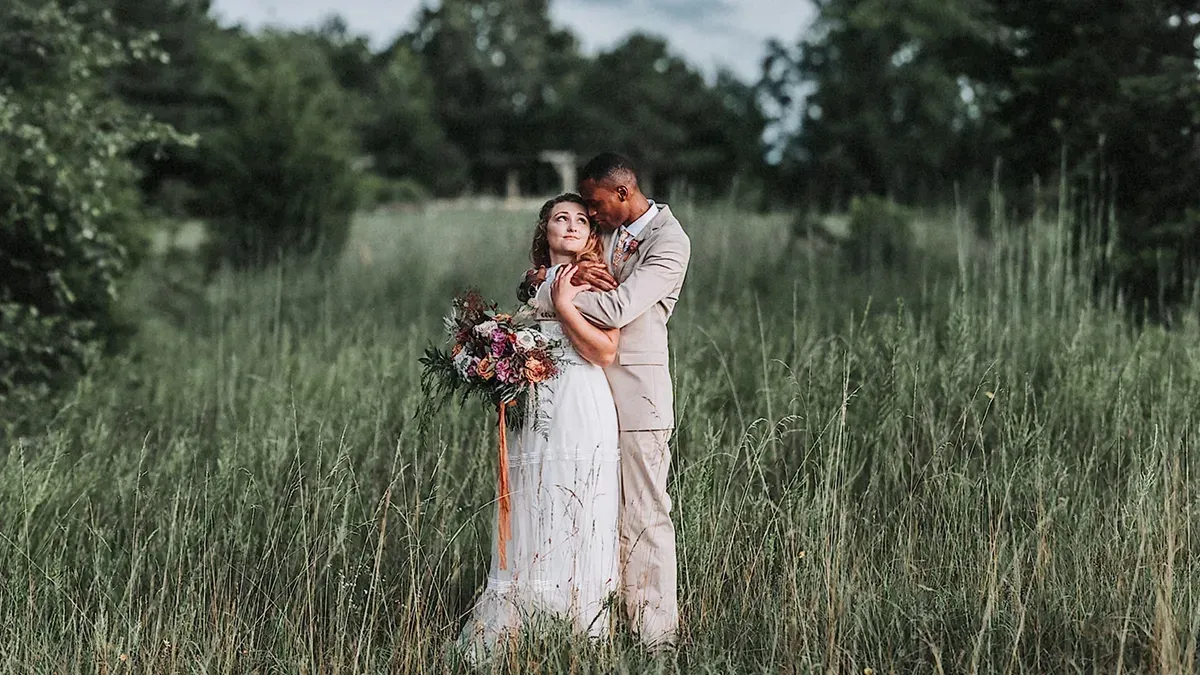
Think golden hour, desert landscapes, and warm, sun-kissed skin. The warm and earthy style leans on heavy amber and copper tones to build a welcoming, relaxed atmosphere, like an endless summer afternoon that never quite ends.
And it works wonders for outdoor celebrations. If you’re getting married in a forest, a desert, or a rustic barn, this style plays up those natural elements. It swaps cool blues and bright whites for deep mustard, terracotta, and soft sage greens, so every shot feels grounded and cozy.
Key Features
- Warm, golden color palette with desaturated blues and enhanced oranges/reds.
- Focus on outdoor settings, natural textures, and golden hour light.
- Casual, affectionate posing that highlights connection over perfection.
- Soft contrast that keeps shadows accessible and warm.
Typical Industry Pricing
Expect to pay between $2,800 and $5,500. This style’s hugely popular for destination weddings, so travel costs often factor into the final price.
Pros
- Skin tones look incredibly warm, healthy, and flattering.
- It blends beautifully with bohemian, rustic, or outdoor decor.
- The vibe is incredibly friendly, inviting, and emotionally warm.
Cons
- White wedding dresses can lose their pure white look, taking on a cream or beige tone.
- It doesn’t work well in sleek, modern, metropolitan venues.
- The heavy warm color shift can sometimes feel dated if color trends swing back to cool tones.
This style is a match made in heaven if you’re planning a rustic outdoor event, a desert elopement, or anything with a bohemian vibe.
Cinematic Wedding Photography
Why settle for photos when you can have a movie? Cinematic photography uses wide aspect ratios, dramatic lighting, and deep color grading, so every frame feels like a still pulled from an Oscar-winning film.
Look, this style is all about drama. Your photographer might grab a wide-angle lens to set you against a massive architectural background, or add anamorphic lens flares for that cinematic look. It’s incredibly dynamic, using light to guide your eye through a story that unfolds frame by frame.
Key Features
- Widescreen aspect ratios (like 16:9 or 2.39:1 letterboxing).
- Dramatic, high-contrast lighting that creates a movie-like atmosphere.
- Rich, cinematic color grading, often using teal-and-orange contrast.
- Focus on epic scale and environmental portraits.
Typical Industry Pricing
Cinematic wedding photography packages typically run $4,000 to $7,500. A lot of these photographers also offer combined photo and video packages, worth asking about.
Pros
- The photos are incredibly epic and feel larger than life.
- It captures the scale and grandeur of your venue like no other style.
- It tells a highly dramatic, storytelling narrative.
Cons
- It can feel slightly less personal and personal than documentary styles.
- It requires excellent lighting conditions or a lot of lighting gear.
- The widescreen crop can sometimes cut out vertical details.
This is the ultimate choice if you want your wedding day to look like an epic, high-budget Hollywood production.
Aerial & Drone Wedding Photography
Sometimes the best view is from above. Aerial photography uses drones to capture sweeping, bird’s-eye views of your venue, your outdoor ceremony, or your wedding party arranged in creative shapes on the lawn.
But here’s the thing: drone photography isn’t really a standalone style. It’s more of an add-on service that a photographer uses to complement whatever their primary style is. It’s perfect for coastal weddings, mountain venues, or grand historic estates, where the scale of the place is a huge part of the day.
Key Features
- Bird’s-eye views of the ceremony and venue.
- Unique geometric compositions using landscape lines.
- High-resolution files that are perfect for giant wall prints.
- Often shot during cocktail hour or sunset portrait sessions.
Typical Industry Pricing
You’ll usually see it offered as an add-on for $500 to $1,500, or bundled into luxury packages starting at $5,500. Your photographer needs to be licensed and insured to legally fly, so it’s worth double-checking.
Pros
- It captures perspective that’s impossible to get from the ground.
- It highlights the grandeur of epic, scenic venues.
- It makes for incredibly dramatic, show-stopping album covers.
Cons
- It’s heavily dependent on weather (rain, high winds, or snow will ground the drone).
- Many premium venues have strict no-fly zones or noise restrictions.
- You can’t capture close-up facial emotions from 100 feet in the air.
This is a must-have add-on if you’re getting married somewhere spectacular and outdoors.
Illustrative Wedding Photography
Think of illustrative photography as a perfect hybrid style. It takes the candid, emotional storytelling of photojournalism and blends it with the gorgeous, deliberate composition of landscape photography.
Here’s how it works in practice. Your photographer places you in a stunning location with incredible lighting. Instead of directing your every pose, they let you interact naturally with your partner. The result is a set of photos that are beautifully composed and highly artistic, yet completely genuine in their emotional delivery.
Key Features
- Wide, scenic environmental portraits where you’re part of a larger landscape.
- Controlled compositions with natural, relaxed subject interactions.
- Heavy emphasis on interesting graphic elements, reflections, and frames.
- Clean, true-to-life editing styles.
Typical Industry Pricing
Illustrative photography packages typically run from $3,200 to $6,500. Look for a photographer with a strong eye for both portraiture and landscape composition, since this style demands both skill sets at once.
Pros
- You get stunning, landscape-worthy art pieces for your home.
- The posing feels relaxed, low-pressure, and completely natural.
- It captures both you and your venue in equal, gorgeous measure.
Cons
- It requires spectacular backdrops to work effectively.
- It takes time to set up and execute these wide, artistic frames.
- You might get fewer tight, close-up portraits.
If you love nature, wide-open spaces, and photos that look like beautiful landscape paintings, choose this style.
High-Contrast Black & White Wedding Photography
There’s something deeply raw about a photo stripped of its color. High-contrast black and white photography isn’t just a digital conversion. It’s a deliberate artistic choice that focuses entirely on light, shadow, texture, and emotion.
Without the distraction of color, you see the real feeling underneath. The texture of a tear, the grain of a wooden pew, the intense contrast of a white dress against a dark background, all of it gets amplified. Most photographers deliver a mix of color and black-and-white images. Some specialists, though, shoot and edit almost exclusively in high-contrast monochrome.
Key Features
- Deep blacks and bright, glowing whites with high tonal contrast.
- Zero color distractions, focusing the viewer entirely on expression and form.
- Heavy grain for a timeless, classic newspaper feel.
- Emphasis on shapes, light patterns, and emotional intensity.
Typical Industry Pricing
Monochrome specialists usually charge between $3,000 and $6,000. This work demands a master class in light management, because color can’t hide mistakes anymore.
Pros
- It’s incredibly timeless, artistic, and emotionally intense.
- It works wonders in poor lighting conditions, turning ugly yellow ambient light into dramatic art.
- It highlights facial expressions and raw feelings better than color.
Cons
- You won’t have a record of your actual wedding color palette or floral colors.
- It can feel too heavy or intense for some couples who prefer a light, celebratory feel.
- A full album of only monochrome can feel repetitive to some viewers.
Choose this style if you love timeless, classic design and want your raw emotions to take center stage.
Adventure & Elopement Wedding Photography
If you’re planning to scale a mountain in your wedding dress or exchange vows on the edge of a cliff, hire an adventure photographer. This style is fast-paced and rugged, and it focuses on capturing couples in extreme, epic natural environments.
But don’t expect a relaxing day. These photographers are as much mountaineers as they are artists. They hike miles with heavy gear bags, battle changing weather, and capture you in raw, genuine moments of pure adventure. The results are nothing short of breathtaking.
Key Features
- Epic, remote outdoor locations like mountain peaks, waterfalls, or canyons.
- Story-driven photography that documents the physical journey to the venue.
- Wide-angle lenses to capture the sheer scale of nature.
- Rugged, natural, and highly active posing.
Typical Industry Pricing
Adventure photography is physically demanding work, and packages start at $4,500 and often exceed $10,000, depending on travel, hiking complexity, and safety gear requirements.
Pros
- You’ll get mind-blowing, epic photos that look like they belong in National Geographic.
- The photography is an integrated part of a unique outdoor adventure.
- It offers complete freedom from the traditional constraints of a wedding day.
Cons
- It’s physically demanding and requires a lot of travel and preparation.
- It’s highly vulnerable to bad weather, requiring backup plans and flexible schedules.
- It isn’t suited for traditional, large-scale family weddings.
Pick this style if you’re an outdoor enthusiast planning a small, personal, or wild elopement in a spectacular corner of the world.
The rise of automated tools in post-production has completely changed the wedding industry. Photographers who once spent three months editing can now deliver perfect galleries in days, allowing them to focus entirely on their artistic style rather than manual slider adjustments.
Itamar Haim, AI Photography Workflow Specialist
Comparing the Top Wedding Photography Styles
Let’s make this simple. If all these options still feel overwhelming, use this direct comparison of the most popular styles to find your match.
| Style | Primary Aesthetic | Day-Of Pace | Ideal Venue Type | Post-Production Complexity |
|---|---|---|---|---|
| Traditional | Clean, classic, structured | Slow, heavily posed | Church, ballroom, historic manor | Low to medium |
| Photojournalistic | Candid, raw, emotional | Fast, completely natural | Any venue, backyard, urban space | High (requires intensive sorting) |
| Fine Art | Bright, soft, pastel-toned | Deliberate, detail-focused | Garden, estate, vineyard, beach | High (delicate color grading) |
| Dark & Moody | Dramatic, deep, romantic | Relaxed, light-chasing | Forest, rustic barn, industrial loft | High (shadow management) |
What’s new in Imagen: Imagen is now an intelligent, agentic Studio for professional photographers, one project where you cull, edit, review and export in any order. Whatever style you shoot, a Personal AI Profile learns your look from your past edits, and ready-made AI Profiles are there if you want a quick start. Edited photos arrive in batches as they process. The Studio is rolling out gradually as a beta.
The Final Verdict: Which Style Wins in 2026?
There isn’t a single winner here, because your wedding day is unique. But if we have to make one recommendation, pick the hybrid documentary-editorial style. It’s the undisputed champion of 2026. You get the best of both worlds: raw, candid, tear-jerking emotional moments, plus a few high-fashion, magazine-worthy portraits of you looking like an absolute star.
No matter which style you choose, remember that your photographer’s post-production workflow matters just as much as their shooting style. High-volume shooting can lead to massive delivery delays. That’s why top wedding photography professionals use Imagen to manage their editing backlog, saving up to 96% of post-production time. Its Personal AI Profile learns from a photographer’s past edits, so the finished look stays their own. Automate the technical heavy lifting, and they can focus on what actually matters: capturing your love story in their own artistic style.
Frequently Asked Questions
Can we mix different wedding photography styles?
Yes, absolutely. Most modern photographers offer a hybrid approach. They combine documentary candid shots during the ceremony with editorial styling during your portrait session, so you end up with a balanced gallery.
How do I know which wedding style fits my venue?
Start by looking at your venue’s natural light. Bright venues with big windows or outdoor gardens match fine art styles well. Dark wood barns, brick lofts, or moody estates work better for dark and moody or traditional styles.
Why is film wedding photography so expensive?
Film has real-world material costs. Photographers pay for physical rolls of film, shipping, and professional lab development, and that adds roughly $1.50 to $2.00 in raw overhead per frame taken.
How long does it typically take to get wedding photos back?
Traditionally, it takes 6 to 12 weeks. Photographers using AI-assisted editing tools, though, can often deliver fully finished, professionally graded galleries in under a week.
Should I worry about photo trends looking dated?
Yes, heavily stylized edits can date fast. If longevity worries you, stick with traditional, illustrative, or clean documentary styles that use true-to-life colors, since those never go out of style.
What is the difference between documentary and photojournalistic styles?
There’s virtually no difference. The terms get used interchangeably. Both focus on unposed, candid, story-driven moments, where the photographer acts as an observer rather than a director.
Does our photographer need a second shooter?
If you have over 100 guests, or you want multiple styles captured at once, then yes. A second shooter lets one photographer focus on candid moments while the other handles details and portraits.

