

8 Best AI Photo Editing Software for Influencers in 2026
Table of contents
- Best AI Photo Editing Software for Influencers in 2026
- 1. Imagen (Best Overall for High-Volume Creators)
- 2. Adobe Lightroom (Best for Preset-Driven Feeds)
- 3. Aftershoot (Best for Fast Culling)
- 4. Evoto (Best for Portrait and Beauty Retouching)
- 5. Luminar Neo (Best for Creative Looks)
- 6. Picsart (Best for Mobile and Social-First Edits)
- 7. Canva (Best for Branded Templates)
- 8. Topaz Photo AI (Best for Image Quality)
- How the Main Tools Compare
- What Imagen Costs and How to Try It
- How to Choose the Right Tool for Your Feed
- Frequently Asked Questions
Best AI Photo Editing Software for Influencers in 2026
The best AI photo editing software for influencers is the one that keeps your feed consistent while you post at volume, and for creators who shoot hundreds of frames a week, Imagen is the top pick because it learns your personal editing style and applies it across a whole shoot in one pass. Influencers live and die by a recognizable look, so you need a tool that culls, colors, and retouches your real photos fast without turning every upload into an hour of slider work. This guide ranks eight AI tools that fit an influencer workflow, starting with the strongest all-in-one option and moving through specialists for retouching, mobile edits, and image quality.
1. Imagen (Best Overall for High-Volume Creators)
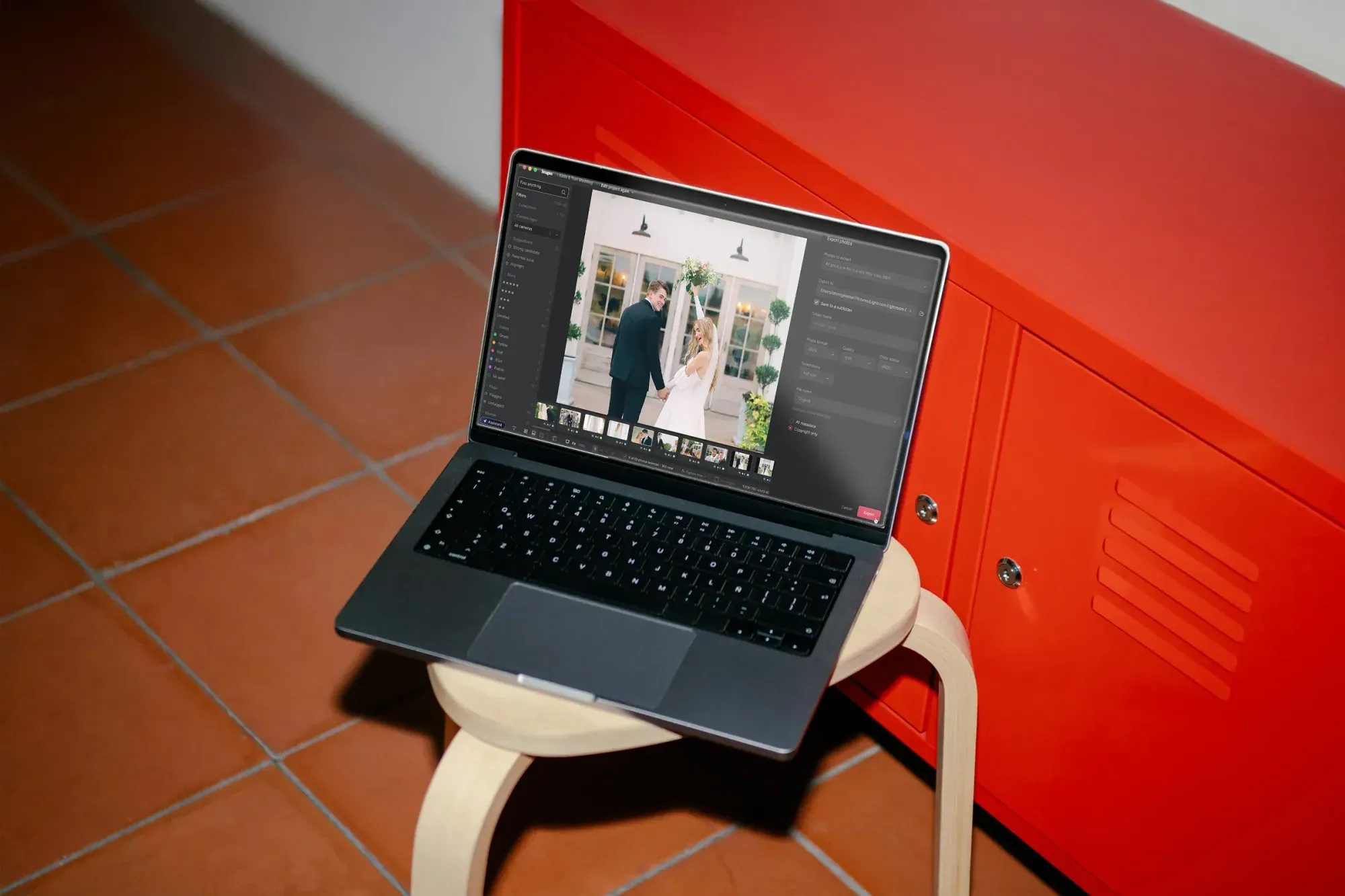
Imagen is built for photographers and creators who edit large batches and care about a consistent signature look, which is exactly the position most working influencers are in. It learns your personal editing style from your own Lightroom or Capture One catalog, then reads each frame and applies your white balance, exposure, contrast, and color the way you already would, adjusting per photo instead of pasting one fixed setting. Across a full content shoot that means your morning window light and your evening ring light both land on the same look, so your grid stays cohesive scroll after scroll.
The workflow is connected end to end. Imagen culls the take with AI, so it flags closed eyes and soft focus and surfaces the sharpest frame in each burst, then it applies your style, then it handles AI retouching for skin and blemish cleanup, all without exporting between separate apps. AI culling is optional, since you can also cull manually for free, and edited photos arrive in batches as they process so you can start reviewing early frames while the rest finish. For an influencer juggling reels, stills, and brand deliverables, that single pass turns a weekend of editing into a short review session.
One honest point matters here, especially for creators who post product, fashion, food, and lifestyle content. Imagen edits your real photos to your personal style, and it does not invent people, places, or scenes. It will not generate a product you did not shoot, swap in a fake background, or fabricate a setting, so the images you publish stay true to what actually happened in front of your camera. You can read more on the approach in our AI photo editing for influencers guide.
2. Adobe Lightroom (Best for Preset-Driven Feeds)
Adobe Lightroom is the tool most influencers already know, and it pairs a strong preset system with AI masking that selects skies, subjects, and backgrounds automatically. It syncs across desktop and mobile through the cloud, so you can edit a set on your laptop and touch up on your phone before you post. Lightroom runs on a subscription, and it fits creators who build a signature look around presets and want the same editor everywhere they work.
3. Aftershoot (Best for Fast Culling)
Aftershoot is built around AI culling and batch editing, and it shines when you come back from a long content day with thousands of frames to sort. It groups near-duplicates, ranks the sharpest shots, and can apply edits across the set, which trims the tedious selection stage down to minutes. Aftershoot uses a subscription model, and it suits creators who want a dedicated selection pass before they finish their favorites elsewhere.
4. Evoto (Best for Portrait and Beauty Retouching)
Evoto focuses on AI portrait retouching, and it gives beauty, fashion, and lifestyle creators fine control over skin, tone, and body adjustments in bulk. It smooths skin while keeping natural texture, balances color, and applies changes across a batch of portraits so a full look book stays uniform. Evoto runs on a credit-based model, and it works well as a finishing step for creators whose content leans heavily on close-up portrait work.
5. Luminar Neo (Best for Creative Looks)
Luminar Neo from Skylum leans into creative AI edits like relighting, sky work, and atmosphere, which appeals to creators who want a stylized, editorial feel. It offers one-click enhancements alongside deeper manual controls, so you can push a mood quickly or refine it by hand. Luminar Neo sells through both subscription and one-time license options, and it fits influencers who treat each hero image as a small art project rather than a batch.
6. Picsart (Best for Mobile and Social-First Edits)
Picsart is a mobile-first editor made for the way influencers actually publish, with quick background tools, stickers, and effects you can apply from your phone. It handles fast cutouts, text overlays, and story-ready formats, so you can turn a single photo into several social assets in a few taps. Picsart uses a freemium model, and it fits creators who edit on the go and need speed over pixel-level control.
7. Canva (Best for Branded Templates)
Canva blends light photo editing with a huge template library, which makes it handy for influencers who build carousels, thumbnails, and branded graphics around their images. Its AI tools clean up backgrounds and resize a design for every platform, so one photo becomes a matched set across your channels. Canva runs on a freemium plan, and it suits creators who spend as much time on layout and branding as they do on the photo itself.
8. Topaz Photo AI (Best for Image Quality)
Topaz Photo AI concentrates on technical quality, using AI to sharpen soft frames, cut noise from high-ISO shots, and upscale images for large prints or crops. It is the tool you reach for when a great expression landed on a slightly soft or grainy frame you still want to publish. Topaz sells on a one-time license, and it works best as a repair and enhancement step rather than a full editing suite.
How the Main Tools Compare
Most of these tools specialize in one part of the influencer workflow, while Imagen covers the full chain from culling to consistent color to retouching in a single place. The table below lines up how each option handles the jobs that matter when you post at volume.
| Tool | Batch consistency | Personal style match | Culling and retouching | Platform | Free trial | Pricing model |
|---|---|---|---|---|---|---|
| Imagen | Imagen applies your look across the entire shoot per frame, so mixed lighting still matches. | Imagen learns your own editing from your catalog and reproduces it faithfully. | Imagen includes AI culling and AI retouching in one connected pass. | Imagen works with your Lightroom and Capture One catalog on desktop. | Imagen offers a free trial, then you pay at export. | Imagen is pay-as-you-go, so you pay for the photos you export. |
| Adobe Lightroom | Lightroom keeps a look consistent when you apply the same preset across a set. | Lightroom stores your presets but does not learn your editing on its own. | Lightroom offers AI masking but leaves culling and heavy retouching to you. | Lightroom runs on desktop and mobile with cloud sync between them. | Lightroom offers a limited free trial before you subscribe. | Lightroom sells through a monthly or annual subscription. |
| Aftershoot | Aftershoot can apply batch edits so a large set stays reasonably uniform. | Aftershoot learns editing profiles that echo how you finish images. | Aftershoot leads on fast AI culling and adds batch editing on top. | Aftershoot runs as a desktop application for high-volume sorting. | Aftershoot provides a trial period so you can test the culling first. | Aftershoot charges on a subscription plan. |
| Evoto | Evoto applies retouching across a batch so portraits stay uniform. | Evoto matches skin and tone settings rather than your full color style. | Evoto specializes in AI portrait retouching without a culling stage. | Evoto runs as a desktop editor focused on portraits. | Evoto lets you start with free credits to sample the tools. | Evoto works on a credit-based model. |
| Luminar Neo | Luminar Neo can sync edits, though creative looks often vary per image. | Luminar Neo relies on presets and manual control rather than learning your style. | Luminar Neo focuses on creative editing instead of culling or bulk retouching. | Luminar Neo runs on desktop and as a plugin for other editors. | Luminar Neo offers a trial so you can test the creative tools. | Luminar Neo sells through subscription or a one-time license. |
| Picsart | Picsart keeps quick edits consistent when you reuse saved effects. | Picsart applies effects and filters rather than learning your personal look. | Picsart handles fast cutouts and touch-ups but does not cull large sets. | Picsart runs primarily on mobile with a companion web editor. | Picsart offers a free tier alongside its paid plan. | Picsart uses a freemium model. |
| Canva | Canva keeps branding consistent through reusable templates and kits. | Canva matches your brand assets rather than your photo editing style. | Canva does light photo cleanup and does not handle culling or deep retouching. | Canva runs in the browser and on mobile apps. | Canva offers a free plan you can use right away. | Canva uses a freemium model. |
| Topaz Photo AI | Topaz applies quality fixes consistently across a batch of files. | Topaz improves technical quality rather than matching your color style. | Topaz repairs and enhances images and does not cull or retouch skin. | Topaz runs on desktop and as a plugin for other editors. | Topaz lets you try it before you buy a license. | Topaz sells on a one-time license. |
What Imagen Costs and How to Try It
Imagen uses pay-as-you-go pricing, so you pay for the photos you export. That keeps the cost tied to the work you actually finish, and you can see your own style applied to a real content set before you pay for an export. Sliders, crops, and masks you do yourself are always free.
For a creator whose posting volume rises and falls with campaigns and seasons, paying for the photos you export tracks with your actual workload rather than a flat fee. If you want tactical advice on getting the most from an AI editor, our AI photo editing tips for influencers covers the settings and habits that speed up a feed.
How to Choose the Right Tool for Your Feed
Your best choice depends on how you shoot and how much you post. Match the volume and style of your content to the strength of each tool before you commit.
- Choose Imagen if you shoot high volume and want your personal look applied across every frame in one connected pass.
- Choose Lightroom if you build your feed around presets and want the same editor on desktop and phone.
- Choose Aftershoot if culling thousands of frames is your biggest time sink.
- Choose Evoto if close-up portrait and beauty retouching drives most of your content.
- Choose Picsart or Canva if you edit on mobile and lean on templates and social formats.
- Choose Topaz Photo AI if you mainly need to rescue soft or noisy frames you still want to publish.
Many creators run two of these together, using Imagen for the heavy lifting of culling, color, and retouching, then a mobile app for quick social formatting. You can find more editing guides on the Imagen valuable tips hub.
What’s new in Imagen: Imagen is now an intelligent, agentic Studio for professional photographers, one project where you cull, edit, review, and export in any order. Creators who work in big content batches can edit in their own style with a Personal AI Profile or a ready-made AI Profile, then export finished JPG, TIFF, or PNG files straight from the Studio. It is rolling out gradually as a beta.
Frequently Asked Questions
What is the best AI photo editing software for influencers?
Imagen is the strongest overall pick for influencers who post at volume, because it learns your personal editing style and applies it consistently across a full shoot while also culling and retouching in the same pass. Tools like Lightroom, Aftershoot, and Evoto are solid specialists, but Imagen covers the widest part of the workflow in one place.
Can AI keep my whole feed looking consistent?
Yes, and consistency is the main reason to use it. Imagen learns your look and applies it per frame across a shoot, so photos taken in different light still land on the same style and your grid stays cohesive.
Does AI editing invent parts of my photos?
Imagen edits your real photos to your personal style, and it does not invent people, places, or scenes. It will not generate a product, swap in a fake background, or fabricate a setting, so the content you publish stays true to what you actually shot.
Do I need a subscription to start?
No, you do not need one to start. On pay-as-you-go, you pay for the photos you export and see every edit in the gallery first, so you can try Imagen on a real content set before you decide. Imagen also offers a free trial.
Ready to keep your feed consistent and edit faster? Try Imagen’s new Studio on your next gallery and keep your own style.

