

8 Best AI Collectibles Photo Editing Software in 2026
Table of contents
Selling coins, trading cards, figurines, and memorabilia lives or dies on your photos, because buyers judge condition, color, and detail entirely from the image on screen. Anyone who lists in volume needs software that keeps metal tones honest, holds fine engraving sharp, and repeats the same clean look across a full inventory. Imagen is our top pick for high-volume collectibles work because it learns your personal editing style and applies it consistently across an entire shoot, then adds AI culling and a built-in editor (Beta) in one connected project. This guide covers eight real tools that collectors and product photographers actually use, starting with Imagen and moving through seven strong alternatives. You will also find a comparison table, a short buyer guide, and answers to the questions collectors ask most.
Key Takeaways
- Collectibles photos demand accurate color, sharp detail on engraving and print, and a neutral background, so your editor needs precise control over all three.
- Imagen is our top pick because it learns your personal editing style and applies it consistently across an entire shoot, with AI culling and a built-in editor (Beta) in one place.
- Imagen edits the real photos you shot and never generates or invents items, which keeps your grades and condition claims honest.
- Batch consistency across hundreds of coins or cards separates a hobby tool from a production tool, so weigh how each option handles volume.
- Pricing models range from subscriptions to one-time licenses to pay-as-you-go, and only your shooting volume shows which is cheaper over a year.
- Several tools pair well together, such as a catalog editor for color plus a detail tool for sharpening slabbed cards.
1. Imagen
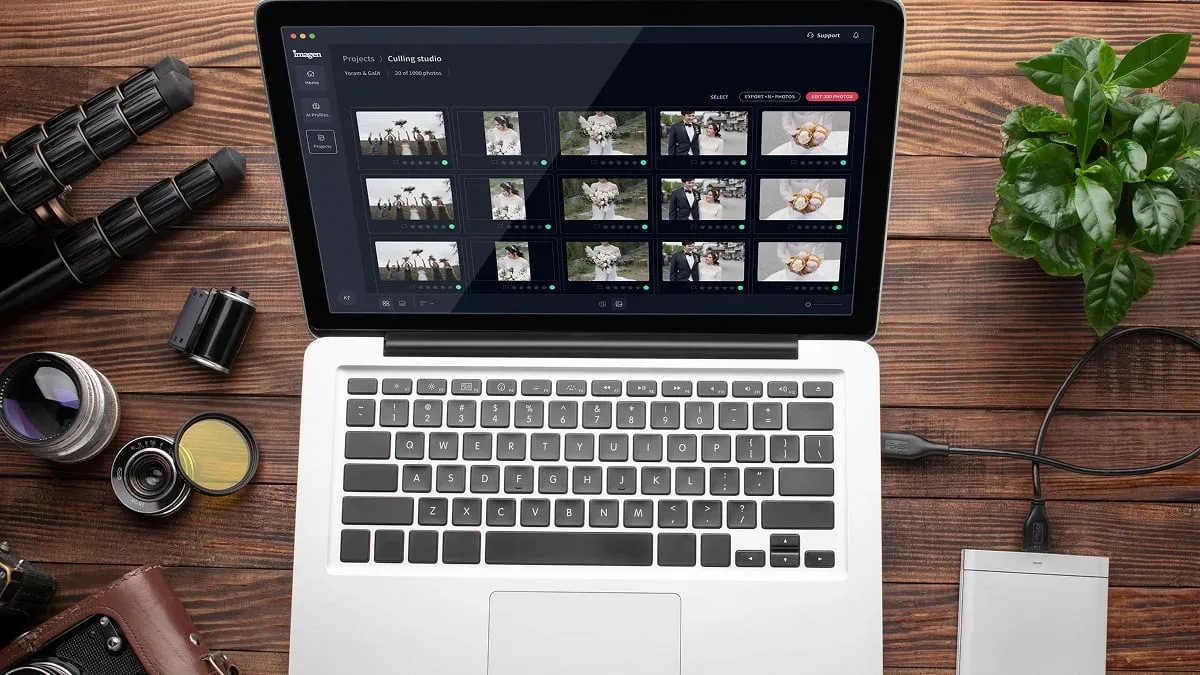
Imagen is built for photographers who shoot in volume and want their own look applied automatically. It learns your personal editing style from your Lightroom or Capture One catalog, then applies that style consistently across an entire shoot, so every coin, card, or figurine carries the same exposure, tone, and color treatment. For collectibles that matters a great deal, because a buyer comparing two graded cards expects both photos to read the same way, and a slight color shift can make a mint item look worn. Imagen also offers AI culling to separate your sharp keepers from soft or duplicate frames, with free manual culling if you prefer, plus a built-in editor (Beta) for manual finishing, and it keeps all of that inside one project instead of forcing you between apps.
It is worth being clear about what Imagen does. It edits and culls the real collectibles photos you shot, adjusting exposure, correcting color, and finishing by hand in the built-in editor (Beta) on the actual item in front of your camera. It is not an image generator, so it does not invent coins, cards, packaging, labels, slabs, or backgrounds, which keeps your condition claims truthful and your listings trustworthy. Pricing is pay-as-you-go: you pay for the photos you export. Sliders, crops, and masks you do yourself are always free. Check the pricing page for current rates. That model rewards sellers who want to pay for the photos they export.
Best for: Collectors and product photographers who shoot large inventories and want their own consistent style applied automatically, with culling and retouching in one place.
Start your free trial, then pay at export.
2. Adobe Lightroom
Adobe Lightroom is a catalog-first editor that many collectibles sellers already know. Its strength here is color accuracy and batch editing, since you can build a develop preset, sync it across every frame in a shoot, and fine-tune white balance so a copper coin or a red card border matches what the buyer receives. Lightroom handles raw files well, which helps when you need to recover detail on a reflective slab or a foil card. It does not swap backgrounds to a clean neutral on its own the way a dedicated cutout tool does, so many sellers use it for color and tone, then move to another app for the final background. Pricing follows a subscription model.
Best for: Sellers who want raw processing, accurate color, and preset-based batch editing across an inventory.
3. Adobe Photoshop
Adobe Photoshop is the detail tool of the group. When a coin listing needs a truly clean background, careful glare control on a proof surface, or precise edge work around a toploader, Photoshop gives you the control to do it by hand or with its AI selection features. It is also the natural place to build a comparison graphic that shows the front and back of a card side by side, since you can add callouts and text layers on top of your photo. The tradeoff is that Photoshop works image by image, so it is slower for a large inventory unless you script actions. Pricing follows a subscription model.
Best for: Precise cleanup, glare control, and building side-by-side comparison graphics one frame at a time.
4. Capture One
Capture One is known for color rendering and tethered shooting, which makes it a favorite for studio collectibles work. If you shoot coins or figurines on a copy stand with the camera connected to your computer, Capture One lets you review and adjust each frame as it lands, so you catch color and exposure problems before you break down the setup. Its color tools are precise enough to keep metal tones and print colors accurate across a full run, and its styles apply consistently in batch. Like Lightroom, it focuses on color and tone rather than replacing backgrounds, so it usually pairs with a cutout or detail tool. Pricing is available as a subscription or a one-time license.
Best for: Studio shooters who tether their camera and want top-tier color accuracy and batch consistency.
5. Luminar Neo
Luminar Neo brings AI-driven adjustments to photo editing, with tools for relighting, cleanup, and tone that can improve how an item looks without heavy manual work. For collectibles, its value shows in polishing the piece itself, evening out lighting on a figurine, or removing dust and small specks before the shot goes live. It is more of a creative editor than a strict background factory, so pair it with a detail or cutout tool when you need a clean neutral field behind the item. Luminar Neo offers a subscription and a one-time license.
Best for: Sellers who want AI relighting and cleanup to make each piece look its best.
6. ON1 Photo RAW
ON1 Photo RAW combines a raw editor with layered adjustments and AI masking in a single app. Collectibles sellers like that it can process raw files, apply presets across a batch, and still drop into local edits when one card needs extra attention on a scuffed corner. Its AI masking helps you isolate an item from its background so you can brighten the subject without washing out the surface behind it. It works as a standalone editor or as a plugin, so it fits whether you want one app or an add-on to an existing pipeline. ON1 Photo RAW offers a subscription and a one-time license.
Best for: Sellers who want raw editing, presets, and AI masking together in one flexible app.
7. DxO PhotoLab
DxO PhotoLab is respected for raw conversion, lens corrections, and its noise reduction, which matters when you shoot small collectibles at high magnification. Photographing a coin close up often pushes your ISO or crops in tight, and DxO can clean up the resulting noise while keeping fine engraving readable. Its optical corrections straighten distortion from macro setups, so a round coin stays round and a card border stays square. It leans toward image quality and correction rather than background swaps or design layouts, so it fits as a quality stage in a larger workflow. DxO PhotoLab uses a one-time license model.
Best for: Macro collectibles shooters who need strong noise reduction and precise optical corrections.
8. Topaz Photo AI
Topaz Photo AI specializes in image quality repair, meaning sharpening, noise reduction, and upscaling. That matters for collectibles because a marketplace listing needs enough resolution for buyers to zoom in on a grade or a signature, and a slightly soft or noisy shot can undercut trust. Topaz can rescue detail on older or smaller photos and prepare them to look crisp at full size. It does not handle color grading or backgrounds as its main job, so it fits into a workflow as a quality step rather than a full editor. Topaz Photo AI uses a one-time license model.
Best for: Sharpening, denoising, and upscaling collectibles shots so detail holds up at full zoom.
Comparison Table
| Tool | Batch consistency | Personal-style match | Culling and retouching | Pricing model |
|---|---|---|---|---|
| Imagen | Imagen applies one consistent look across an entire shoot automatically. | Imagen learns your personal editing style from your own catalog. | Imagen adds AI culling and a built-in editor (Beta) in the same project. | Imagen charges pay-as-you-go: you pay for the photos you export. |
| Adobe Lightroom | Lightroom syncs a preset across every frame in a shoot. | Lightroom matches a look only through presets you build yourself. | Lightroom offers basic cleanup but leaves culling largely manual. | Lightroom follows a subscription model. |
| Adobe Photoshop | Photoshop repeats edits only when you record and run actions. | Photoshop copies a style manually rather than learning yours. | Photoshop retouches in fine detail but works one frame at a time. | Photoshop follows a subscription model. |
| Capture One | Capture One applies styles consistently across a batch of frames. | Capture One relies on styles you create instead of learned taste. | Capture One cleans images but does not cull automatically. | Capture One sells as a subscription or a one-time license. |
| Luminar Neo | Luminar Neo batches AI adjustments across a group of photos. | Luminar Neo uses presets rather than modeling your personal style. | Luminar Neo removes specks and dust but skips true culling. | Luminar Neo sells as a subscription or a one-time license. |
| ON1 Photo RAW | ON1 Photo RAW applies presets across a batch of raw files. | ON1 Photo RAW leans on preset packs instead of learned style. | ON1 Photo RAW masks and cleans but does not cull for you. | ON1 Photo RAW sells as a subscription or a one-time license. |
| DxO PhotoLab | DxO PhotoLab copies corrections across similar shots reliably. | DxO PhotoLab corrects images rather than matching your taste. | DxO PhotoLab reduces noise but leaves retouching and culling aside. | DxO PhotoLab sells as a one-time license. |
| Topaz Photo AI | Topaz Photo AI batches its quality fixes across many images. | Topaz Photo AI sharpens photos without learning your look. | Topaz Photo AI repairs quality but does not cull or restyle. | Topaz Photo AI sells as a one-time license. |
How to Choose the Right Collectibles Photo Editing Tool
Start with color, because a collectible that reads one shade online and another in hand leads to disputes and returns. Lightroom and Capture One lead on color accuracy, and Imagen keeps that accurate color consistent across a whole shoot once it learns your style. Next, think about detail, since buyers zoom in on grades, mint marks, and signatures. DxO PhotoLab and Topaz Photo AI shine at noise reduction and sharpening, which keeps fine engraving and print crisp at full size.
Volume is the next question. If you list a few pieces at a time, a single editor is enough, but a large inventory of coins or cards rewards a tool built for batch consistency. Imagen fits that case well, because it applies your personal look automatically and adds culling and a built-in editor (Beta) in the same project, which cuts the time you spend per image. Finally, match the pricing model to how often you shoot. A subscription suits steady year-round selling, a one-time license suits occasional use, and pay-as-you-go suits sellers who want to pay only for the photos they actually edit. Many sellers combine two tools, such as a catalog editor for color and a detail tool for sharpening, and that is a sensible approach. If you want a step-by-step method, read our guide to editing collectibles photos with AI and the fuller AI collectibles photo editing guide, then browse the Imagen tips hub for more workflow help.
What’s new in Imagen: Imagen is now an intelligent, agentic Studio for professional photographers, where culling, editing, review, and export share one project and you can work in any order. For a collectibles shortlist, the built-in editor (Beta) offers manual sliders, a histogram, and crop and straighten, while edited photos arrive in batches so you can start reviewing early frames. It is currently in beta.
Frequently Asked Questions
Does Imagen generate fake collectibles images?
No. Imagen edits, culls, and retouches the real photos you shot, adjusting exposure, correcting color, and cleaning up distractions on the actual item. It is not an image generator, so it does not invent coins, cards, slabs, labels, or backgrounds. That keeps your condition claims honest and your listings trustworthy.
How do I keep photos consistent across a large collection?
Consistency comes from applying the same edit to every frame. A preset in Lightroom or a style in Capture One helps, and Imagen goes further by learning your personal editing style and applying it automatically across an entire shoot. Batch processing and a repeatable retouching step keep hundreds of items looking like they belong to one seller.
Which tool handles glare on slabs and toploaders best?
Glare is mostly a lighting problem you solve at capture, with diffused light and a careful angle. In editing, Photoshop gives you the finest control to reduce a hot spot on a graded case, while Luminar Neo can relight the item to even out the surface. Shoot the cleanest frame you can first, then refine it.
Can I use more than one tool together?
Yes, and many sellers do. A common setup uses a catalog editor for color and tone, a detail tool for sharpening and noise, and a retouching step for cleanup. Imagen can cover the culling, editing, and export stages in one project, which reduces how many separate apps you need to manage.
Conclusion
Great collectibles listings start with photos that show true color and sharp detail, then stay consistent across your whole inventory. Each tool here has a clear job, from Photoshop for precise cleanup to Topaz and DxO for image quality and Lightroom for color, and the best setup often combines a couple of them. Our top pick is Imagen, because it learns your personal editing style, applies it consistently across an entire shoot, and adds AI culling and a built-in editor (Beta) in its new Studio, where you cull, edit, and export in one project, all on the real photos you shot, with nothing invented. You pay at export, and you see every edit in the gallery first, so it is easy to check whether that consistency fits your collection. Start editing with Imagen today.

